


Modern opioid addiction treatment combines FDA-approved medications like methadone, buprenorphine, and naltrexone with novel therapies. You’ll receive personalized care through medication-assisted treatment, which reduces overdose risk by 50%. Long-acting formulations, brain stimulation techniques, and digital health solutions bolster your recovery journey. Comprehensive support includes behavioral therapy, peer mentorship, and telemedicine options. Understanding these evidence-based approaches will fortify your path to successful recovery.
Understanding Modern Opioid Treatment Medications

How do modern medications revolutionize opioid addiction treatment? Three FDA-approved medications stand at the forefront: methadone, buprenorphine, and naltrexone. Each works differently to help you overcome opioid use disorder (OUD).
Methadone, a full opioid agonist, stabilizes your brain chemistry and reduces cravings. Buprenorphine offers a safer partial agonist profile with lower overdose risk, while naltrexone blocks opioid effects entirely. A concerning 150 deaths per day from opioid overdose underscore the urgent need for effective treatment options. Research shows that patients receiving methadone or buprenorphine are 50% less likely to experience a fatal overdose. Long-term efficacy outcomes show these aren’t just temporary solutions they’re essential tools for sustained recovery.
However, medication adherence challenges persist, particularly with naltrexone’s required detox period and methadone’s strict clinic requirements. You’ll find buprenorphine more accessible through office-based prescribing, though all treatments work best when combined with counseling and behavioral support. Buprenorphine’s new fast-start protocol allows patients to receive treatment more quickly with just one initial dose before long-acting injection.
Breakthrough Developments in Long-Acting Therapies
Recent breakthroughs in long-acting therapies mark a significant shift in opioid addiction treatment. Sublocade’s expedited induction protocols now allow faster treatment initiation after just one oral dose, while injection site expansion enables administration in multiple body areas, including the stomach, thigh, buttock, and upper arm.
You’ll find promising developments in sustained-release formulations, particularly VCU researchers’ reformulation of nor-levo-alpha-acetylmethadol, which shows potential for monthly or longer dosing intervals. This advancement directly addresses common treatment barriers by reducing clinic visits and improving adherence.
These long-acting therapies offer several advantages: they minimize daily dosing requirements, decrease stigmatization, and augment cost-effectiveness through reduced healthcare utilization. Clinical evidence demonstrates their effectiveness in reducing opioid use, withdrawal symptoms, and risk behaviors while improving long-term treatment retention.
The Role of Brain Stimulation and Neuromodulation
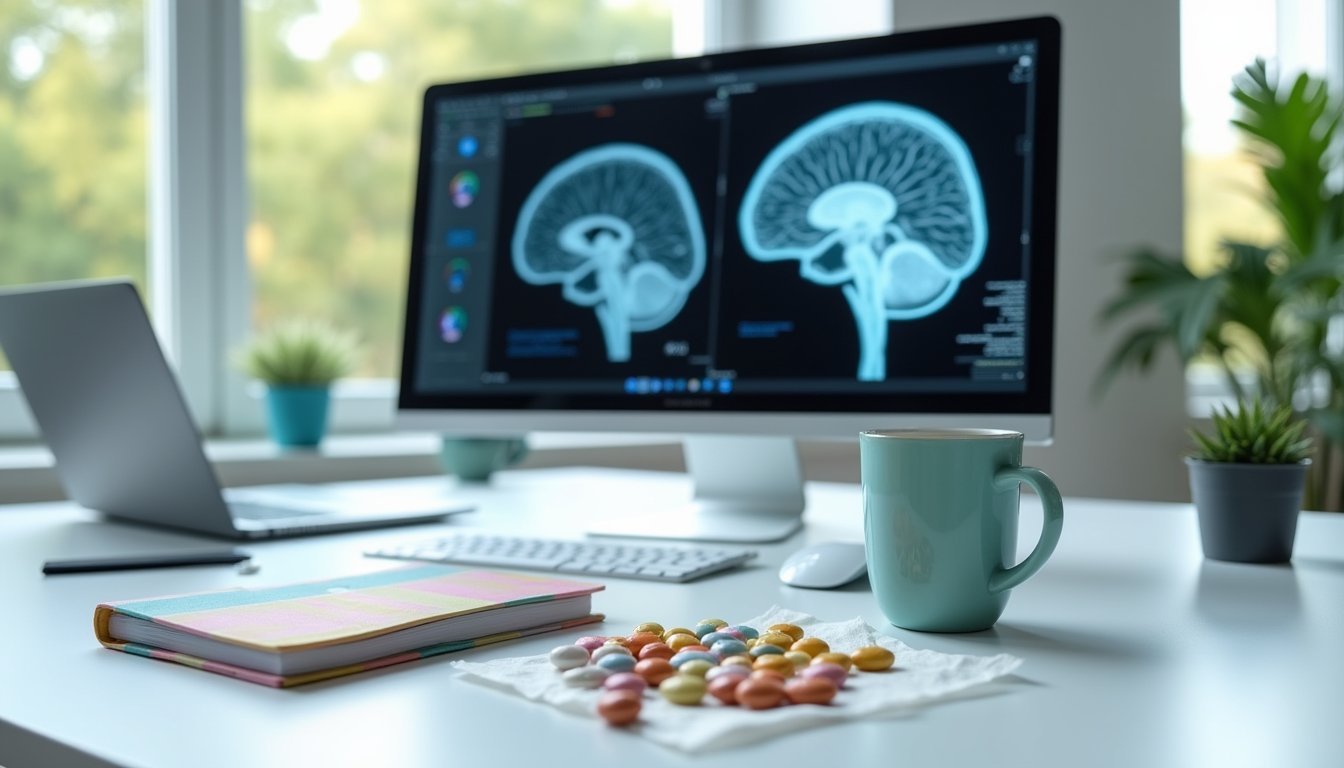
While conventional addiction treatments remain valuable, brain stimulation and neuromodulation represent a groundbreaking frontier in treating severe opioid dependence. Deep brain stimulation (DBS), pioneered at WVU in 2019, delivers targeted electrical currents to regulate abnormal activity in the brain’s reward pathways, similar to a pacemaker’s function. The procedure has proven to be well-tolerated and effective for treating various neurological and psychiatric disorders. A promising new approach using focused ultrasound therapy offers a noninvasive alternative that precisely targets deep brain regions involved in addiction without damaging surrounding tissue.
Led by Dr. Ali Rezai, this innovative clinical trial represents the first of its kind in the United States for treating opioid use disorder. Advances in patient targeting have established strict selection criteria, focusing on treatment-resistant cases with multiple failed interventions and high relapse risks. You’ll find that current trials, including the UK’s Brain-PACER study and Rezai’s HEAL initiative, combine DBS with traditional therapies while prioritizing safety.
Considerations for long-term outcomes drive ongoing research into complementary approaches like focused ultrasound and precision neuromodulation, aiming to bolster treatment durability and reduce healthcare costs through sustained recovery.
Behavioral and Support-Based Recovery Methods
Behavioral and support-based recovery methods form the cornerstone of successful opioid addiction treatment by addressing the complex psychological and social aspects of substance use disorder. You’ll find evidence-based approaches like Cognitive-Behavioral Therapy (CBT) and Contingency Management working synergistically with medication-assisted treatment to reduce relapse risks and amplify recovery outcomes. FDA-approved medications for opioid disorder are vital components of these comprehensive treatment plans. Digital therapeutics like MODIA now offer accessible, tailored behavioral support to complement traditional counseling approaches.
Comprehensive treatment plans often incorporate peer mentorship programs and occupational therapy integration, alongside structured support groups like Narcotics Anonymous. These interventions provide you with essential coping mechanisms, while rewards-based systems reinforce positive behaviors.
When combined with professional counseling, these methods help you tackle personal triggers, manage co-occurring mental health conditions, and develop lasting resilience. Research shows that integrated approaches, including behavioral therapies and support networks, can reduce fatal overdose rates by up to 90%.
Telemedicine and Digital Health Solutions

Modern telemedicine platforms enable you to receive detailed opioid addiction treatment from home through video consultations, medication management, and virtual check-ins with healthcare providers.
A recent study found that approximately 10% of prescriptions were initiated through telehealth platforms between 2020-2022, demonstrating growing adoption of virtual treatment options.
You’ll find retention rates for telehealth-based buprenorphine treatment are exceptionally higher than traditional settings, with studies showing 48% vs. 44% 90-day retention in Kentucky and 32% vs. 28% in Ohio.
Virtual recovery support networks connect you with peer groups, counselors, and crisis resources 24/7, expanding access particularly for those in rural or underserved areas.
Prior to the COVID-19 pandemic, patients were required to have an in-person visit before starting buprenorphine treatment.
Remote Treatment Delivery Platforms
How has telemedicine revolutionized opioid addiction treatment? Recent studies show dramatically improved patient outcomes, with 65% of patients attending follow-up appointments through virtual care compared to 32% with traditional in-person visits. You’ll find this treatment method particularly effective through 2025, as the DEA has extended prescribing flexibility for substance use disorders.
Remote treatment delivery platforms now offer thorough medication safety monitoring while connecting you to essential services, including counseling and medication management. Through virtual appointments, you can receive buprenorphine prescriptions and participate in behavioral therapy sessions from home. The current extension of these life-saving medication services demonstrates the Biden administration’s commitment to improving treatment access. Remote patient monitoring devices collect vital signs data to help providers track patient health in real-time. Patients experience enhanced privacy and confidentiality when accessing treatment from their own homes, helping reduce the stigma often associated with seeking help.
However, telehealth infrastructure challenges persist, especially in rural areas where internet access and digital literacy remain obstacles. Safety-net clinics are actively working to overcome these barriers by implementing user-friendly platforms and providing technical support.
Virtual Recovery Support Networks
Virtual recovery support networks have transformed addiction treatment through extensive digital health solutions. These peer-to-peer forums and virtual support groups provide essential connection and accountability during your recovery path.
Key components of modern virtual recovery support include:
- Round-the-clock access to digital meetings through platforms like In the Rooms, offering over 130 daily sessions
- Specialized virtual support groups catering to women, LGBTQ+, and other marginalized communities
- Evidence-based SMART Recovery online meetings providing structured addiction management protocols
- Traditional 12-step programs like Narcotics Anonymous (NA) adapted for digital accessibility
The evidence-informed approach of SMART Recovery makes it particularly effective for individuals seeking science-based addiction treatment solutions. Leading providers like PursueCare offer FDA-authorized therapeutics that deliver continuous support through cognitive behavioral therapy and real-time tracking. You’ll find these networks particularly valuable during holidays and crisis periods when in-person support may be limited. The digital format maintains confidentiality while preserving the therapeutic benefits of community-based recovery support.
Managing Complex Cases and Co-Existing Conditions
The successful management of complex opioid use disorder (OUD) cases requires a thorough understanding of co-existing conditions and evidence-based treatment strategies. Multidisciplinary care coordination becomes essential when you’re treating patients with mental health comorbidities, which are highly prevalent in OUD cases.
Systematic stigma reduction efforts must address barriers to accessing detailed dual diagnosis programs.
Your treatment approach should consider medication interactions carefully, particularly between OUD medications and psychotropics. While methadone shows lower dropout rates in complex cases, buprenorphine remains effective but requires careful prescribing.
You’ll need to implement regular mental health screenings alongside addiction treatment protocols. When managing justice-involved patients, providing FDA-approved OUD medications reduces post-release overdose risk by 32%, highlighting the importance of integrated treatment approaches.
Public Health Initiatives and Access to Care
Five critical public health initiatives are transforming access to opioid use disorder treatment across the nation. The NIH HEAL Initiative, alongside $1.6 billion in State Opioid Response grants, drives evidence-based policies that expand treatment availability.
Major federal funding and evidence-based initiatives are revolutionizing nationwide access to opioid treatment through coordinated public health programs.
Community-based interventions now integrate harm reduction strategies with comprehensive care systems.
You’ll find these key developments improving treatment access:
- Strategic Prevention Framework funding supports primary prevention and targeted outreach programs
- SAMHSA’s $10 million Community Harm Reduction Initiative boosts local engagement efforts
- Expanded naloxone distribution and fentanyl testing programs reduce overdose risks
- Integrated care systems connect substance use treatment with primary healthcare services
The focus on health equity guarantees historically underserved populations, including Native American communities, receive culturally customized interventions through specialized grant programs and targeted resource allocation.
Emerging Technologies in Addiction Medicine
Brain stimulation technologies, which target specific neural circuits involved in addiction, are showing promising results in clinical trials for opioid use disorder treatment.
You’ll find digital platforms integrating AI-driven personalization with virtual therapy sessions, providing 24/7 support and real-time monitoring of recovery progress. These emerging technologies complement traditional treatments by offering precise, data-driven interventions that can be adjusted based on your individual response patterns and risk factors.
Brain Stimulation Breakthroughs
Recent advances in deep brain stimulation (DBS) have revolutionized addiction medicine by targeting specific neural circuits involved in opioid dependence. Through precise deep brain mapping and cutting-edge closed loop systems, researchers have identified key neural pathways that can be modulated to reduce drug-seeking behaviors.
Clinical trials have shown promising results in treating opioid addiction through DBS:
- High-frequency stimulation of the nucleus accumbens shell decreases drug reward perception
- Anterior cingulate cortex targeting reduces compulsive behaviors and strengthens emotional control
- Prefrontal cortex stimulation enhances decision-making and impulse regulation
- Real-time neural monitoring enables adaptive stimulation parameters for ideal outcomes
While challenges remain with electrode placement precision and cost barriers, ongoing research through the BRAIN Initiative continues to refine these groundbreaking techniques for more accessible treatment options.
Digital Treatment Platforms
Digital treatment platforms are transforming opioid use disorder (OUD) care through pioneering technologies that combine personalized medicine, virtual support systems, and AI-driven interventions. You’ll now have access to voice-powered treatment assistants and remote support communities that provide 24/7 guidance. These platforms use genetic testing to optimize your medication dosages while employing AI to monitor your recovery progress.
| Feature | Benefit | Technology |
|---|---|---|
| Telehealth | Remote access to providers | Video consultations |
| Digital therapeutics | 24/7 recovery support | RESET-O® platform |
| AI coaching | Real-time crisis intervention | Smart monitoring |
| Genetic testing | Personalized medication | Pharmacogenomics |
FDA-approved digital therapeutics like RESET® combine behavioral therapy with data-driven insights to predict relapse risks. Through smartphone apps, you’ll receive automated medication reminders and connect with peer support networks, making recovery more accessible and sustainable.
The Future of Personalized Treatment Approaches
Three key innovations are revolutionizing opioid addiction treatment through personalized approaches: medication tailoring, integrated behavioral therapies, and data-driven progress monitoring. You’ll find treatment protocols becoming increasingly customized to your unique needs, incorporating tailored nutritional interventions and neurofeedback therapy approaches.
Research shows these personalized interventions substantially improve recovery outcomes:
- Advanced biomarker testing determines ideal medication dosages and combinations
- AI-powered algorithms adapt treatment plans based on real-time patient response data
- Individualized trauma-informed therapy protocols address underlying psychological factors
- Precision medicine approaches match genetic profiles with most effective treatment options
This data-driven personalization guarantees you receive the most effective combination of medications, behavioral therapies, and support services, maximizing your chances of successful long-term recovery.
Frequently Asked Questions
How Long Does Withdrawal Last After Stopping Opioid Medications Completely?
You’ll experience acute withdrawal timeline variations depending on the opioid type you’ve been taking. Short-acting opioids typically cause symptoms for 7-10 days, while long-acting ones can last 14+ days.
If you’re tapering medication dosage rather than stopping abruptly, you’ll have milder symptoms spread over a longer period. Physical symptoms usually peak around 72 hours, but emotional symptoms like anxiety and cravings may persist for several weeks.
Can Pregnant Women Safely Receive Medication-Assisted Treatment for Opioid Addiction?
Yes, you can safely receive medication-assisted treatment (MAT) during pregnancy. Both methadone and buprenorphine are FDA-approved and proven safe for fetal health concerns.
Following medication safety guidelines, these treatments actually reduce risks of miscarriage, preterm birth, and fetal distress compared to stopping opioids abruptly.
You’ll need regular monitoring, as your medication doses may need adjustment during pregnancy, especially in the third trimester, to maintain ideal treatment effectiveness.
What Percentage of Patients Achieve Long-Term Recovery Without Any Medications?
Research shows about two-thirds of patients can achieve remission within four years, though your success largely depends on patient motivation factors and treatment program adherence.
You’ll need strong engagement with behavioral therapies and support services to maintain recovery without medications. While it’s possible to achieve long-term sobriety without pharmaceutical support, you’ll face higher relapse risks early on, and you’ll typically require multiple treatment attempts before achieving sustained recovery.
Do Insurance Companies Typically Cover the Full Cost of Addiction Treatment?
You’ll find that insurance companies rarely cover the full cost of addiction treatment. While coverage has expanded, you’re typically responsible for co-pay amounts, deductibles, and often 20% coinsurance even with in-network providers.
Medicare beneficiaries face an average of $728 per year in out-of-pocket costs for treatment. Your coverage may also be limited by setting restrictions, service caps, and exclusions for certain levels of care, particularly residential treatment.
Are There Genetic Tests That Can Predict Who Will Develop Opioid Addiction?
While genetic tests for opioid addiction risk exist, they’re not yet reliable enough for clinical decisions. Current tests like AvertD only explain a small portion of your genetic risk factors, and they don’t account for essential environmental influences.
Your addiction risk is better assessed through traditional screening methods, including family history and mental health evaluations. For now, these genetic tests shouldn’t guide treatment decisions or targeted interventions without considering other risk factors.