


Substance use disorders (SUDs) affect 46 million Americans in 2025, with alcohol use disorder leading at 28.9 million cases. You’ll find prescription drug abuse ranks second, impacting 16.3 million individuals, while cocaine dependency affects 5.5 million users. Treatment remains critically underutilized, with only 6.3% of affected individuals receiving proper interventions. These statistics underscore a growing public health crisis that demands understanding of key risk factors and available treatment options.
Understanding Substance Use Disorders (SUDs) in 2025
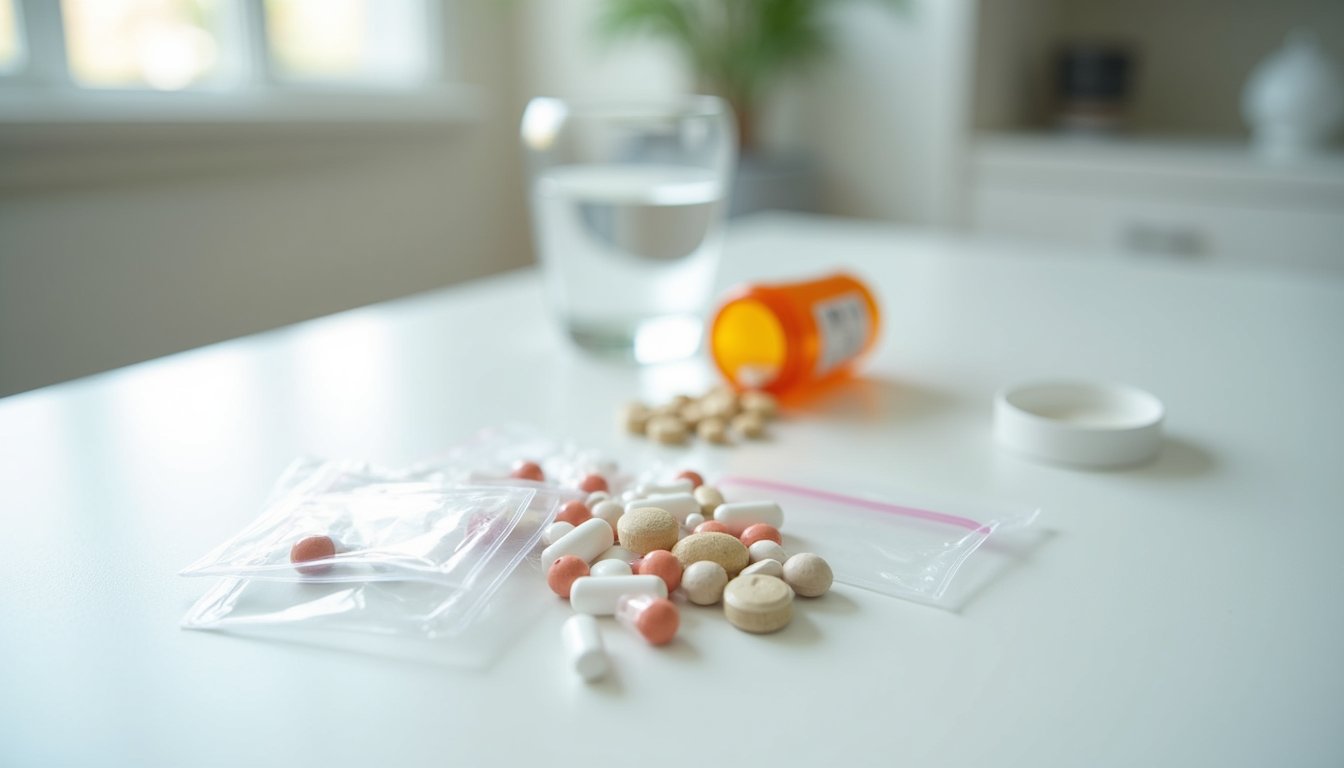
Anyone struggling with addiction in 2025 joins the ranks of over 46 million Americans battling Substance Use Disorders (SUDs), yet only 6.3% receive proper treatment. You’ll find that dual diagnosis prevalence has become a critical factor in treatment approaches, with mental health conditions frequently co-occurring alongside addiction. Binge drinking affects over 61 million Americans monthly, highlighting the widespread nature of alcohol misuse. Studies show that young males have a higher prevalence of drug abuse at 22% compared to 17% for females.
Pandemic-driven substance use continues to shape the composition of addiction treatment, as increased stress, anxiety, and trauma contribute to higher rates of substance misuse. The devastating impact of synthetic opioids has resulted in over 100,000 annual overdose deaths. You’re facing a reality where lifetime illicit drug use affects 50% of individuals aged 12 and older, with marijuana leading at 18.7% among adults. The complexities of modern SUDs require integrated care approaches, particularly as telehealth expands to address treatment gaps and improve access to essential mental health services.
The Growing Impact of Alcohol Addiction
Alcohol Use Disorder (AUD) stands as the most prevalent substance use disorder in 2025, affecting 28.9 million Americans of all generations. You’ll find significant demographic disparities, with men accounting for 77% of alcohol-attributable deaths globally. The condition disproportionately impacts low- and middle-income populations, reflecting systemic healthcare access barriers.
The health and social effects of AUD manifest through multiple pathways. You’re at increased risk for chronic liver disease, diverse cancers, and cardiovascular complications when struggling with alcohol dependence. With one in six adults regularly binge drinking approximately four times monthly, the risk for developing severe health complications continues to rise. Young adults between ages 18-25 represent the highest-risk age group, with nearly a quarter facing substance use disorders. The disorder frequently co-occurs with anxiety and depression, creating complex treatment challenges. Recent data shows a promising 7% decrease in alcohol-induced mortality rates from 2022 to 2023.
In the U.S. alone, excessive alcohol use claims 95,000 lives annually, while worldwide, it’s responsible for 2.6 million deaths. These statistics underscore AUD’s position as a critical public health concern requiring immediate intervention.
Prescription Drug Abuse: Current Trends

Despite significant declines in prescription drug misuse from 18.9 million users in 2015 to 16.3 million currently, you’ll find treatment accessibility remains a critical barrier with only 6.3% of individuals receiving needed care. Recent data shows that over 39 million people worldwide struggle with drug use disorders.
Prevention strategies have shown measurable success, as evidenced by the 24% reduction in overdose deaths from 114,000 to 87,000 between 2022-2024. Pain relievers remain the most commonly abused prescription drugs, with 59.5% of abusers reporting misuse of these medications. You’re seeing positive outcomes from these initiatives, though the treatment gap remains substantial with 11.9% of misusers developing addiction while only 12.7% acknowledge their condition.
Treatment Access Challenges
While prescription drug abuse treatment has evolved markedly, multiple systemic barriers continue to impede access to effective care in 2025. You’ll encounter widespread cultural stigmatization that discourages treatment-seeking behavior, particularly in communities where prescription misuse is perceived as less severe than illicit drug use. Workforce reintegration challenges often compound these barriers, as economic instability increases relapse risks.
The treatment panorama reveals critical gaps: fragmented care systems fail to address dual diagnoses, while geographic disparities limit access to specialized services. You’ll find rural areas especially underserved, with provider shortages and transportation barriers restricting access to MAT programs. Insurance coverage limitations, including Medicaid gaps and frequent denials for trauma-informed care, further restrict treatment options. The resulting waitlists at underfunded public facilities delay critical interventions for many patients.
Prevention Strategies Working
How effectively are prevention strategies combating prescription drug abuse in 2025? The data shows significant progress, with a 13.8% decline in misuse rates since 2015 and a 24% reduction in overdose deaths across 45 states. Prevention initiatives are demonstrating measurable impact through multi-faceted approaches.
Improving prescription monitoring programs have successfully reduced doctor shopping behaviors and inappropriate prescribing patterns. Telehealth expansion has increased treatment accessibility, particularly for patients with co-occurring mental health disorders. Public health campaigns raising addiction awareness have contributed to a 12.7% increase in individuals acknowledging substance use disorders. Evidence-based provider education programs have optimized prescribing practices, especially for high-risk medications like opioids and benzodiazepines.
While challenges persist with synthetic opioids and five states showing increased mortality, prevention strategies are yielding positive outcomes nationwide.
Cocaine and Crack Dependency Statistics
Recent data shows you’re witnessing unprecedented cocaine usage rates, with 5.5 million Americans reporting past-year use and 2 million indicating past-month consumption in 2019. Statistics indicate that young white people are showing concerning usage trends compared to other demographics.
You’ll find the highest risk demographic remains adults of considerable years, with 1.5 million Americans meeting the clinical criteria for Cocaine Use Disorder (CUD) in 2022. Data reveals that 505,224 emergency visits were related to cocaine use, highlighting its severe health impact. Young adults 18-25 represent the largest at-risk age group for cocaine abuse.
Clinical evidence demonstrates powder cocaine maintains markedly higher prevalence than crack cocaine, with 12% of U.S. adults reporting powder cocaine use compared to 4% for crack cocaine.
Current Usage Rates
Based on detailed epidemiological data from 2019-2022, cocaine usage affects approximately 2 million Americans monthly and 5.5 million annually, with lifetime exposure reaching 42.2 million individuals. While gender differences aren’t explicitly documented, key risk factors demonstrate significant demographic variations.
Recent data indicates that cocaine is the second most common illicit drug used in the United States after marijuana.
Current epidemiological indicators show:
- Adults of the 18-25 demographic represent the highest-risk cohort for cocaine dependency
- White Americans exhibit the highest prevalence at 2.0% past-year usage, followed by Hispanic (1.7%) and African American populations (1.5%)
- Regional distribution indicates concentrated usage in Colorado (3.06%), Vermont (2.99%), and DC (2.79%)
- Diagnostic criteria for Cocaine Use Disorder (CUD) are met by 1.5 million individuals, representing a significant public health concern requiring targeted intervention strategies
Treatment Success Data
Treatment outcomes for cocaine and crack dependency reveal complex patterns across diverse populations, with 75% of individuals achieving some form of recovery despite high relapse rates. You’ll find that successful recovery typically strengthens after five years of sustained abstinence, particularly when specialized treatment approaches are utilized. Research shows that less than 43% of individuals complete their initial treatment programs. Studies indicate that stimulant abuse now accounts for 15% of all overdose deaths.
Dual diagnosis challenges often complicate recovery trajectories, requiring integrated mental health and addiction services that aren’t widely available. While medication assisted treatment options remain limited for stimulant use disorders, evidence-based interventions like CBT and contingency management demonstrate promising results. The absence of FDA-approved medications for treating crack addiction continues to pose significant therapeutic challenges.
You’ll see higher success rates in programs offering extensive care, including residential treatment followed by structured outpatient support. The integration of stable housing and employment support services considerably enhances long-term recovery outcomes, especially when combined with peer-based community support networks.
Methamphetamine Use: Rising Numbers

Methamphetamine overdose deaths have risen dramatically, with fatalities nearly tripling among adults 18-64 between 2015 and 2019. Fentanyl contamination in meth supplies and polydrug use patterns have intensified this crisis, with approximately 37,000 fatal overdoses involving psychostimulants in 2023.
Key epidemiological indicators show:
- Heavy users reporting ≥100 days/year consumption increased 66% between 2015-2019
- American Indian/Alaska Native populations experience highest prevalence rates
- Black Americans saw a tenfold surge in non-injection meth use disorder
- Non-Hispanic White Americans maintain usage rates of 7.5 per 1,000 people
The clinical milieu reveals tolerance buildup accelerating dosage requirements, while synthetic production methods dominate current markets. You’ll find emerging distribution channels, including digital platforms, complicating intervention efforts and treatment protocols.
The Opioid Crisis Continues
Despite sustained intervention efforts, opioid-related fatalities maintain epidemic proportions, with 82,000 deaths recorded in 2022 representing 76% of total drug overdoses. Synthetic opioid prevalence, particularly fentanyl, accounts for approximately 74,000 of these deaths, demonstrating a significant shift from prescription-based addiction to illicit synthetics.
Overdose fatality disparities are affecting both urban and rural populations identically, with regional variations primarily linked to supply chain differences. New York’s provisional data illustrates this crisis, showing deaths exceeding 2017 peaks by 1,700 cases. While opioid prescriptions have decreased by 12%, the concurrent rise in illicit synthetic supplies continues to drive mortality rates. Current federal and state responses emphasize harm reduction strategies, including expanded naloxone access and targeted intervention programs for high-risk regions.
Prevention and Treatment Options
How effectively healthcare systems address substance use disorders remains a pivotal challenge, with only 6.3% of affected individuals receiving treatment in 2021. Modern treatment approaches emphasize mental health integration and workplace intervention programs to identify at-risk individuals early.
Early intervention and integrated mental health care are crucial, yet treatment reaches only a fraction of those battling substance use disorders.
You’ll find extensive care increasingly focused on dual diagnosis protocols, particularly for the 9.5 million adults with co-occurring mental illness and substance use disorders.
Key prevention and treatment developments include:
- Integrated treatment models targeting both addiction and mental health simultaneously
- School-based early intervention programs addressing adolescent substance trends
- Workplace monitoring systems for prescription drug misuse prevention
- Community outreach initiatives reducing treatment barriers and stigma
Early intervention remains indispensable, as evidence shows improved long-term recovery outcomes when treatment begins promptly. You’ll benefit from coordinated care between addiction specialists and mental health professionals.
Frequently Asked Questions
How Do Genetics Influence an Individual’s Susceptibility to Different Types of Addiction?
Your genetic predisposition factors greatly influence addiction susceptibility through multiple pathways. You’re carrying specific gene variants like DRD2 and OPRM1 that can alter your brain’s reward processing and increase vulnerability by 40-60%.
Moreover, epigenetic modifications from stress or trauma can activate these genetic risk factors, making you more susceptible to substance dependencies. Your DNA methylation patterns in reward regions and inherited dopamine signaling inefficiencies directly impact how you’ll respond to addictive substances.
What Role Does Social Media Play in Promoting or Preventing Addiction?
Social media platforms actively shape your behavior through algorithm-driven content and dopamine-triggering features, substantially influencing user behavior in the direction of addictive patterns.
You’re exposed to constant reinforcement through likes, notifications, and infinite scrolling, which can lead to compulsive usage. However, platforms also implement addiction prevention strategies like screen time tracking and usage limits.
Your susceptibility to social media addiction may increase if you’re experiencing anxiety, depression, or FOMO.
Which Professions Have the Highest Rates of Substance Abuse and Addiction?
Research shows that occupational stress factors considerably impact substance abuse rates across professions. You’ll find highest rates in healthcare (particularly among nurses and physicians), hospitality workers, and initial responders. These groups face intense work-life balance challenges, including irregular shifts and high-pressure environments.
Construction and transportation workers also show heightened rates, often linked to physical demands and long hours. The correlation between job stress and substance use disorder remains clinically important across these sectors.
How Do Addiction Treatment Success Rates Compare Between Different Age Groups?
You’ll find that success rates vary substantially across age cohorts, with young adults (25-34) showing the highest treatment completion rates when supported by generation-specific treatment approaches. Your likelihood of success increases with stable support networks and employment.
While adolescents face unique challenges due to slower problem recognition, middle-aged and senior adults often struggle with generational addiction trends complicated by co-occurring conditions. Treatment outcomes typically improve with customized, demographic-specific interventions.
What Percentage of People Develop Cross-Addictions When Recovering From Primary Addiction?
Research indicates you face approximately a 20% risk of developing cross-addictions during recovery from your primary substance use disorder. Your risk increases markedly if you have comorbid mental health conditions.
While seeking treatment, you’ll need to address both substance and behavioral addictions simultaneously, as increased risk factors can trigger substance substitution. Thorough data shows you’re less likely to develop cross-addictions when receiving integrated treatment that manages multiple disorders concurrently.