


While both support recovery, residential treatment and inpatient rehab serve distinct purposes in your healing [trek/voyage/expedition]. You’ll find inpatient rehab offers intensive medical supervision with 24/7 monitoring for 3-7 days, focusing on stabilization and detox. In contrast, residential treatment extends 30-90 days, providing a homelike environment where you’ll develop life skills and engage in holistic therapies with more independence. Understanding these key differences will help you choose the most effective path for your specific needs.
Medical Oversight and Supervision Differences
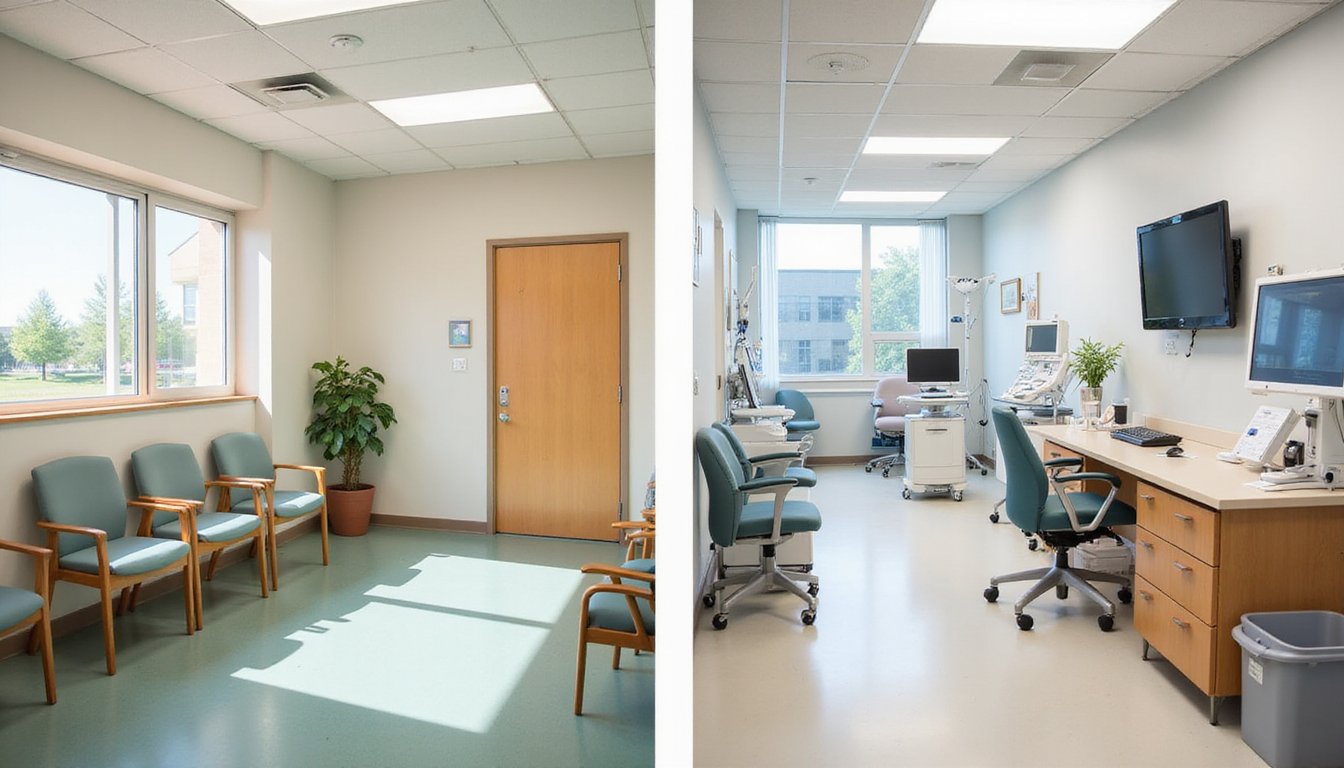
The key distinction between residential treatment and inpatient rehab lies in their medical supervision models. While you’ll find continuous medical monitoring and licensed professionals on-site at inpatient facilities, residential programs typically operate with intermittent physician visits. This difference impacts healthcare staff turnover and how facilities manage medical emergencies. Users must have JavaScript enabled for accessing online treatment resources and patient portals.
In residential settings, you’ll experience supervision focused on daily support rather than intensive medical interventions. Your treatment team will implement crisis assistance strategies and family involvement protocols from day one, with treatment supervisors overseeing practitioner-developed care plans. Licensed holders must maintain treatment team staffing sufficient to provide continuous coverage and safely monitor clients. Evidence-based practices are more commonly required for substance use disorder residential facilities than mental health treatment programs. If you’re dealing with uncomplicated withdrawals, residential programs can manage these on-site. However, if you need hospital-grade medical care for serious health complications, inpatient rehab provides the necessary equipment and round-the-clock medical staffing to guarantee your safety.
Treatment Duration and Recovery Timeline
Determining how long you’ll need treatment often depends on your unique recovery journey and medical requirements. While inpatient rehab typically spans 3-7 days to address immediate medical concerns and detoxification, residential treatment extends 30-90 days to build long-term sustainability. You’ll find that each program’s timeline reflects its core purpose; inpatient focuses on stabilization, while residential emphasizes relapse prevention through holistic healing. A key advantage of residential programs is their focus on creating a therapeutic community environment. Inpatient programs provide intensive medical monitoring during the critical detox phase. Residential treatment allows time to develop coping strategies and life skills. Your inpatient stay concentrates on immediate medical needs and safety. A significant benefit of residential care is its homelike setting, providing a more natural healing environment. The transition to residential care often follows initial detox stages completed during inpatient treatment. Residential programs integrate daily therapy, education, and holistic activities. You’ll experience gradual progression planning in residential versus quick discharge in inpatient.
Therapeutic Methods and Daily Activities

While both settings offer therapeutic support, inpatient and residential programs differ markedly in their daily treatment approaches. In inpatient rehab, you’ll experience rigid schedules focused on medical stabilization and crisis intervention, with intensive individual counseling and structured psychotherapy sessions. The emphasis is on immediate health concerns and detoxification under constant supervision. You’ll receive frequent physician assessments throughout your stay to ensure proper medical monitoring. Residential treatment, however, provides a more extensive healing environment. You’ll engage in varied activities, including family involvement, recreational programming, and holistic therapies like yoga and art sessions. The daily schedule incorporates life skills training, group therapy, and practical workshops that prepare you for long-term recovery. Through peer support, role-playing exercises, and mindfulness practices, you’ll develop essential coping mechanisms while addressing the root causes of your challenges in a supportive community setting. Your stay in residential treatment can extend for weeks to months, allowing sufficient time for comprehensive rehabilitation and sustainable recovery.
Environmental Setting and Living Arrangements
Major differences exist between residential and inpatient environments, directly impacting your treatment experience and comfort level. In residential treatment, you’ll find personalized living spaces designed to feel like home, with options for private or shared rooms and the freedom to display personal belongings. Community engagement thrives through shared activities and meals, fostering pivotal peer connections during recovery. Patients typically stay in these facilities for 28 days to 6 months or longer, depending on their individual treatment needs. Treatment includes a combination of medically supported care and therapeutic interventions to support long-term recovery. Many facilities incorporate 12-Step approaches as a foundational element of their treatment programs.
Residential treatment offers a homelike sanctuary where personal touches and community connections create an environment conducive to healing and recovery.
- Private or shared room options allow you to balance social interaction with personal space
- Ability to personalize your living area with photos and familiar items
- Home-like settings with comfortable furnishings and regular daily routines
- Opportunities for autonomous decision-making in daily activities
- Structured community activities that build social support networks
In contrast, inpatient facilities prioritize medical monitoring over comfort, with clinical settings and restricted personalization options that maintain strict safety protocols.
Admission Requirements and Patient Profiles

Getting admitted to a residential or inpatient program starts with understanding the distinct requirements and screening processes at each facility. You’ll notice significant differences between for-profit and non-profit programs, particularly in how they evaluate your prior substance use history and financial eligibility criteria. Studies show that mood and disruptive disorders are key predictors for admission into residential treatment facilities. While 90% of facilities maintain state licenses, their admission practices vary widely. For-profit programs are more likely to offer phone admissions (42%) and may exclude you based on non-heroin substance use (51%) or medical history (38%). Joint Commission accredited programs often have less stringent evaluation requirements before admission. They’ll typically require upfront payments, though 17% offer payment plans. Non-profit facilities tend to focus more on clinical need, including prior hospitalizations and medication requirements. For youth programs, you’ll need parent involvement during assessment, and most facilities must complete mental health evaluations within 24 hours of admission. The average daily cost for residential treatment is around $618 per day, with for-profit facilities charging significantly more than non-profit programs.
Frequently Asked Questions
How Much Do Residential Treatment and Inpatient Rehab Programs Typically Cost?
You’ll find that program costs vary widely based on your specific needs. For residential and inpatient programs, average program costs typically range from $5,300 to $80,000. Program duration profoundly impacts the total cost; a 30-day stay usually costs between $15,000 and $60,000. Daily rates can run from $250 to $900. If you’re considering outpatient treatment as an alternative, you’re looking at $1,450 to $11,000 for three months.
Can Patients Continue Working or Attending School During Either Treatment Option?
During inpatient rehab, you’ll need to pause your work commitments and academic obligations as the program requires your full-time presence and participation in intensive treatment. However, residential treatment offers more flexibility – you might be able to continue some part-time work or schooling after completing initial treatment phases. Keep in mind that your recovery takes precedence, and any external activities will need approval from your treatment team to guarantee they support your healing path.
What Insurance Plans Typically Cover Residential Versus Inpatient Treatment Programs?
You’ll find that most insurance plans cover inpatient treatment more readily, especially for acute medical needs and detox. Policy coverage differences show that residential programs often require more extensive insurance pre-authorization requirements and documented medical necessity. While private insurance and some Medicaid plans cover both, you’ll typically face higher out-of-pocket costs for residential care. It’s best to check your specific plan details and network status before choosing a program.
Are Family Therapy Sessions Included in Both Types of Treatment Programs?
While both types of programs offer family therapy, you’ll find significant differences in family involvement. Residential treatment typically provides more extensive family participation, with regular weekly sessions and integrated family living arrangements. In contrast, inpatient rehab often offers more restricted family therapy options, usually through scheduled “family days” or brief interventions. Your family’s ability to participate may also depend on factors like childcare availability and facility restrictions.
What Percentage of Patients Successfully Complete Each Type of Treatment Program?
You’ll find that retention rates differ markedly between treatment programs. Research shows residential programs have higher treatment outcomes, with success rates between 65-73%. While specific inpatient rehab data isn’t as clearly documented, outpatient programs typically show lower completion rates around 52%. It’s vital to bear in mind that your personal success isn’t just about statistics – factors like your support system, specific needs, and program compatibility all play pivotal roles in your recovery path.