


Five vital signs indicate it’s time for an addiction intervention: your loved one’s physical health has deteriorated considerably, they can’t manage daily responsibilities, they’re engaging in dangerous risk-taking behaviors, their support systems are crumbling, and previous recovery attempts haven’t succeeded. While staging an intervention feels overwhelming, recognizing these warning signs means you’ve taken the initial essential step in the direction of helping them access the professional treatment they need to heal.
Physical Health Has Reached a Critical Point

Many physical warning signs indicate when substance use has escalated to a critical point requiring immediate intervention. If you’re observing a loved one, watch for sudden weight fluctuations that can’t be explained by normal causes. Stimulants often lead to dramatic weight loss, while depressants may cause weight gain. For those using stimulants like methamphetamine, be alert for signs of severe dental decay. Pay attention to disrupted sleep patterns, which can manifest as severe insomnia or excessive drowsiness. Other critical indicators include track marks from injection, skin problems like jaundice or unexplained bruising, and severely constricted or dilated pupils. When these symptoms appear alongside deteriorating hygiene habits and a history of overdoses or dangerous withdrawal episodes, your loved one’s health is at serious risk. Frequent bouts of illness and susceptibility to infections can indicate compromised immune function. Seeking professional intervention is crucial since substance use disorder exists on a spectrum from mild to severe, and symptoms can rapidly worsen without proper treatment. Don’t wait – these physical signs suggest they need professional help to prevent life-threatening complications.
Daily Life Has Become Unmanageable
When substance use takes control, daily responsibilities begin slipping through the cracks. You’ll notice diminished productivity at work, missed deadlines, and mounting financial pressures. Your daily schedule now revolves around substance use rather than essential tasks and relationships. The struggle becomes evident when you find yourself lying to yourself about the extent of the problem. The feelings of hopelessness and inability to regain control indicate you are powerless over addiction. Your loved ones may voice deep concerns as they often notice troubling changes before you do.
Substance use gradually hijacks your daily life, replacing normal priorities with an all-consuming focus on the next fix.
Key signs your life has become unmanageable include:
- You’re isolating from family and friends, leading to strained relationships and a shrinking support network
- Your basic obligations like paying bills, maintaining your home, or meeting work commitments are consistently neglected
- You’re spending excessive time planning substance acquisition, using, or recovering from use
If you’re experiencing these disruptions, it’s imperative to recognize that this loss of control isn’t a personal failure it’s a clear signal that professional intervention can help restore balance and stability to your life.
Risk-Taking Behaviors Have Escalated

The progression from daily dysfunction to dangerous behavior marks a serious turn in substance use disorders. If you’re noticing your loved one engaging in increasingly risky activities, it’s a critical warning sign that intervention is needed.
Research shows that those struggling with addiction tend to choose immediate gratification over considering long-term consequences. Watch for signs of increased aggression, especially under the influence, as substance use is linked to higher rates of violence and domestic disputes. Research shows that alcohol or drugs are involved in 40-60% of domestic abuse incidents. Since addiction is a chronic condition, it typically worsens without proper intervention and support. You might notice them making impulsive decisions, like driving while intoxicated or engaging in unsafe sexual practices.
Financial problems often emerge through desperate measures borrowing money, selling possessions, or even stealing to maintain their habit.
These escalating behaviors aren’t just concerning they’re potentially life-threatening. The combination of impaired judgment and substance-induced overconfidence creates dangerous situations that could have severe legal, financial, or fatal consequences.
Social Support Systems Are Breaking Down
Substance use disorders progressively dismantle the essential support networks that could otherwise aid in recovery. You might notice your loved one experiencing isolation from recovery communities and a concerning lack of peer accountability as their addiction intensifies.
These breakdowns in social connections often create a dangerous cycle of increased substance use and further withdrawal from support systems. Research shows that support group participation significantly improves recovery outcomes, with 17% of individuals in recovery benefiting from various support services. The absence of proper support is particularly devastating since mental illness affects over 26% of adults struggling with homelessness. The emotional toll on loved ones often leads to severed connections, making the path to recovery even more challenging.
Key warning signs include:
- Severed relationships with family members and close friends
- Withdrawal from support groups or therapy sessions
- Increasing social isolation and reluctance to seek help
When you observe these patterns, it’s pivotal to recognize them as red flags indicating a need for intervention. The deterioration of social support systems, combined with potential socioeconomic barriers to care, drastically reduces your loved one’s chances of achieving recovery without professional help.
Previous Recovery Attempts Have Failed
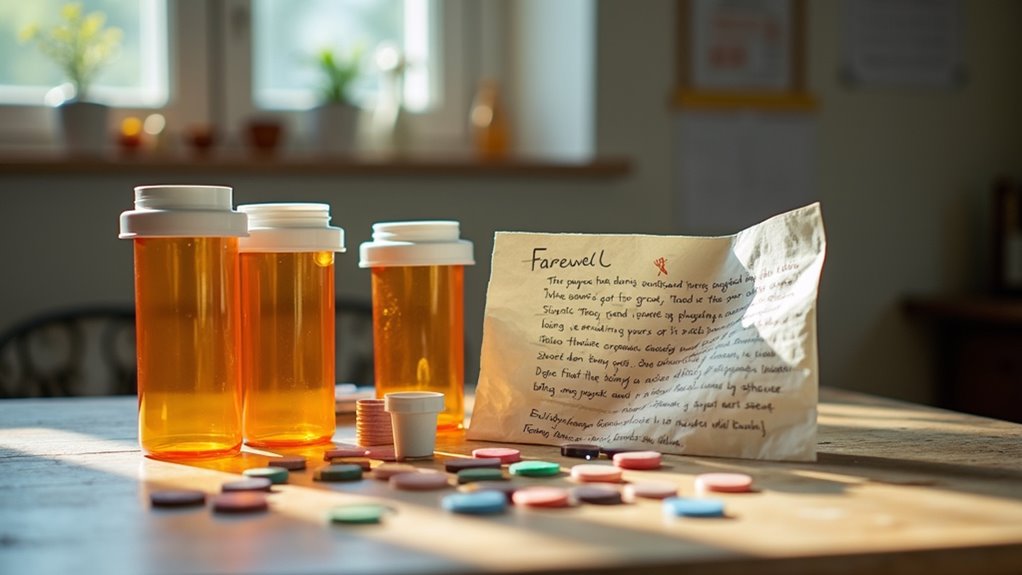
Despite multiple attempts at recovery, watching your loved one struggle through repeated relapses can feel devastating and overwhelming. Research shows that most people need at least two serious attempts before achieving sustained sobriety, but this number increases when treatment programs don’t address underlying causes or adapt to evolving addiction needs. Treatment programs should recognize that relapse rates range from 40-60% for substance use disorders.
If your loved one has experienced multiple failed recovery attempts, it’s likely due to a lack of customized treatment that addresses their specific challenges. Common issues include inadequate mental health support, unqualified staff, or over-reliance on standardized programs without proper individualization. Those diagnosed with depression or anxiety typically require more attempts at recovery. Statistics indicate that less than 43% of individuals complete their treatment programs.
When previous treatments haven’t worked, it’s essential to recognize that each unsuccessful attempt isn’t a personal failure but rather a sign that a more in-depth, personalized intervention approach is needed.
Frequently Asked Questions
How Do You Choose the Right Intervention Specialist or Counselor?
Start your search through trusted referral processes from addiction treatment centers, mental health professionals, or recovery networks. You’ll want to verify the intervention team credentials, including NCAC or MAC certifications and specialized training in your loved one’s specific addiction type.
Look for professionals with at least 3 years of documented experience, proven success rates, and expertise in evidence-based intervention models. Don’t hesitate to interview multiple specialists to find the right fit.
What Should Family Members Do if the Person Refuses Intervention Help?
If your loved one refuses intervention help, don’t give up. Initial, seek professional guidance from addiction specialists who can help you develop alternative approaches.
Set clear boundaries to protect your well-being while maintaining open lines of communication. Consider legal options if their safety is at risk, including court-ordered treatment or involuntary commitment.
Join support groups like Al-Anon to help you cope and learn from others facing similar challenges.
Who Should Be Included in the Intervention Planning Process?
You’ll want to include a core group of trusted allies who understand the situation and can maintain open communication throughout the planning process. Include family members, close friends, and an experienced interventionist to guide the strategy.
Consider adding healthcare providers or counselors who’ve treated your loved one, and recovery specialists who can offer professional insights. Exclude anyone who’s likely to be confrontational or emotionally volatile during planning sessions.
How Much Does a Professional Intervention Typically Cost?
You’ll typically find professional interventions cost between $5,000-$15,000, though prices can range from $1,800-$18,000 depending on complexity and duration. Most interventionists offer reasonable payment plans to help manage these expenses.
Before proceeding, you’ll receive upfront cost estimates covering their fees, travel, and accommodation. While more experienced interventionists charge higher rates ($2,500-$10,000), their expertise often leads to better outcomes and long-term cost savings for your family.
What Happens Immediately After a Successful Intervention Is Completed?
After a successful intervention, you’ll immediately begin implementing post-intervention support plans.
Within 24-48 hours, you’ll connect with treatment facilities for enrollment, whether that’s inpatient, outpatient, or intensive care programs. You’ll receive counseling referrals and potentially start medication-assisted treatment if needed.
Your family will help develop care plans and boundaries, while crisis support remains available 24/7 through SAMHSA’s National Helpline for ongoing guidance and resources.