


Residential addiction treatment provides you with extensive, 24/7 medical supervision and a structured therapeutic community to support your recovery process. You’ll receive personalized detox care, participate in evidence-based group therapy sessions, and develop essential coping skills alongside peers who understand your challenges. Through daily wellness programming and intensive therapeutic activities, you’ll build a strong foundation for lasting sobriety. The intensive support and structure of residential treatment sets the stage for transformative healing and sustained recovery.
The Role of 24/7 Medical Supervision and Support
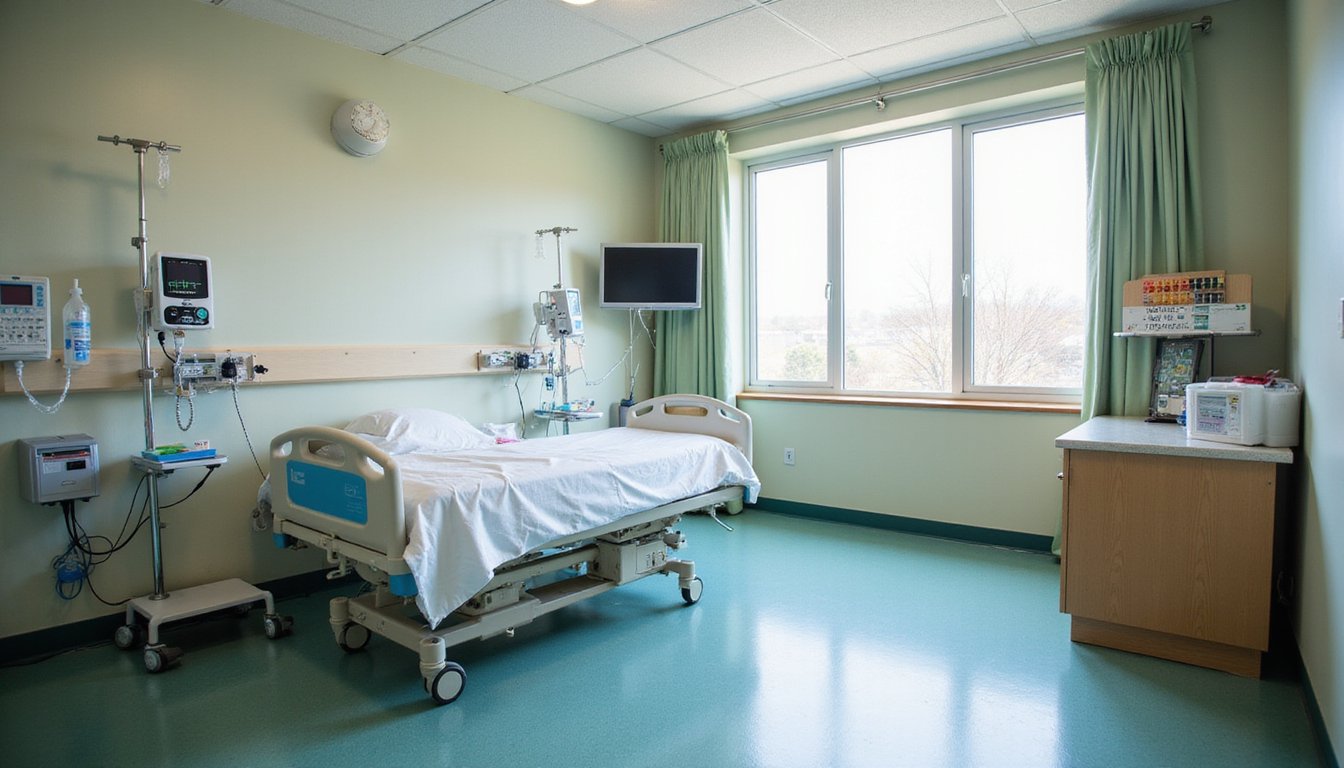
When individuals enter residential addiction treatment, 24/7 medical supervision becomes their essential lifeline through the challenging early stages of recovery. You’ll receive comprehensive monitoring from medical professionals who track your vital signs, assess withdrawal symptoms, and make data-driven dosage adjustments to guarantee your safety and comfort. Dedicated medical staff create a healing environment through positive patient interactions. This personalized care enables individuals to begin their evidence-based treatments in a controlled setting. A team of trained professionals provides round-the-clock support to ensure immediate assistance whenever needed.
The medical team implements tailored detox modalities based on your specific substance use history and health conditions. They’re prepared to respond immediately to any complications, from seizures to severe withdrawal symptoms, drastically reducing hospitalization risks. Through continuous observation, they can identify early warning signs and adjust your treatment plan accordingly. This round-the-clock medical oversight guarantees you receive proper medication-assisted treatment while maintaining ideal nutrition and hydration levels throughout your detox journey.
Building a Therapeutic Community and Peer Connections
Within a residential treatment setting, you’ll experience the powerful dynamic of sharing your recovery expedition alongside peers who truly understand your challenges and goals. The therapeutic community model builds trust through daily interactions, structured group sessions, and shared responsibilities that create meaningful connections among residents. As you participate in community activities and group therapies, you’ll gain valuable insights from others’ experiences while contributing to a collective environment of growth and mutual support. Research shows that patients in therapeutic community programs consistently demonstrate most supportive relationships with fellow residents, fostering an environment that enhances the healing process. The therapeutic community approach emphasizes developing cognitive accountability through social interactions and self-help strategies to promote lasting recovery. Following a highly-regulated daily regimen, residents engage in structured activities that promote personal growth and lifestyle changes.
Shared Recovery Journey Together
The therapeutic community (TC) model stands as a cornerstone of effective residential addiction treatment, where structured peer interactions and shared accountability drive lasting recovery. Through daily psychosocial activities and group interactions, you’ll develop mutual understanding with others facing similar challenges, creating a powerful foundation for healing. Those who complete TC programs show significantly better substance use outcomes and lower recidivism rates compared to other treatment approaches. However, studies show that residential treatment programs demonstrate mixed results when compared to other treatment approaches.
Research shows that this shared experience within a structured TC environment drastically improves your chances of long-term recovery. Participating in an intensive 8-hour daily program over 12 weeks allows for deep therapeutic engagement. You’ll participate in community-based activities that boost your resilience and coping skills while working alongside peers who understand your path. Studies confirm that TCs with clear treatment orientations achieve superior outcomes, particularly when you stay engaged for 90+ days. The combination of peer support, structured activities, and shared responsibility creates a transformative environment that supports your complete lifestyle change across multiple recovery domains.
Peer Support Builds Trust
Building trust through peer support represents a fundamental component of successful residential addiction treatment. Through peer accountability and mutual empowerment, you’ll develop authentic connections that strengthen your recovery path. Research shows that structured peer support programs drastically reduce relapse rates and improve long-term treatment outcomes. Participating in mutual support gatherings has shown 35% lower relapse risks compared to other treatment approaches.
In residential settings, you’ll experience the power of shared vulnerability, where open communication builds lasting trust among peers facing similar challenges. Peer support specialists provide essential guidance by sharing their personal recovery experiences with residents. The helper therapy principle demonstrates that supporting others reinforces your own recovery while creating meaningful bonds. Through a variety of 12-Step and non-12-Step support groups, participants find approaches that best match their needs. Studies confirm that peer interactions foster empathy and shared responsibility, leading to improved mental health outcomes and decreased isolation. This therapeutic community approach, backed by SAMHSA guidelines, creates a foundation of trust that extends well beyond the treatment period.
Community Learning and Growth
Successful therapeutic communities rely on five core elements of structured social engagement to foster lasting recovery. Through empowerment through accountability and strengthening social bonds, you’ll experience transformative growth within a supportive environment. Daily routines, group therapy, and work activities create opportunities for meaningful peer interactions and skill development.
| Community Elements | Recovery Benefits |
|---|---|
| Structured Routines | Builds self-regulation skills |
| Group Sessions | Amplifies emotional awareness |
| Peer Feedback | Promotes behavioral change |
| Shared Leadership | Develops conflict resolution |
The community setting enables collective problem-solving while providing mentorship opportunities between residents. You’ll participate in vocational training and practical responsibilities that prepare you for post-treatment success. This extensive approach combines personal growth with social development, creating a foundation for sustained recovery through mutual support and shared experiences.
Structured Daily Routines and Healing Activities
At residential treatment centers, you’ll follow a carefully designed daily schedule that combines essential recovery activities with therapeutic programming. Your structured routine includes a mix of individual counseling, group therapy sessions, wellness workshops, and physical activities – all precisely timed to optimize your healing path. These scheduled activities work together to help you develop healthy habits while providing the stability and support you’ll need to sustain long-term sobriety. The consistent focus on habitual behaviors helps reprogram ingrained patterns associated with addiction. Starting with simple routines and gradually building up to more complex schedules helps ensure that lasting change takes root during treatment. With access to round-the-clock care, patients receive immediate support during challenging moments, ensuring their safety and comfort throughout the recovery process.
Daily Wellness Programming Schedule
While recovery from addiction requires extensive medical and psychological support, the foundation of residential treatment lies in its carefully structured daily wellness programming. You’ll experience a thoughtfully designed schedule that integrates nutritional restoration through chef-prepared meals and recreational activities that promote healing.
| Time | Activity |
|---|---|
| Morning | Meditation & Group Sessions |
| Midday | Exercise & Creative Therapy |
| Afternoon | Educational Workshops |
| Evening | 12-Step & Wind-Down |
Your day begins with supervised medication management and mindfulness practices, flowing into structured exercise sessions and therapeutic activities. Throughout the day, you’ll participate in community-building experiences that foster connection while maintaining personal reflection time. The schedule concludes with evening shifts designed to establish healthy sleep patterns, replacing old habits with sustainable wellness routines.
Therapeutic Activities and Groups
Building on the daily wellness foundation, therapeutic activities and group sessions form the core components of residential addiction treatment. Through a combination of evidence-based modalities, you’ll participate in structured interventions including Cognitive-Behavioral Therapy, mindfulness-based practices, and complementary therapies tailored to your needs.
Your daily schedule incorporates group therapy sessions where you’ll develop indispensable recovery skills alongside peers facing similar challenges. These therapeutic activities include DBT skills training for emotional regulation, encounter groups for processing difficult feelings, and integrated dual diagnosis treatment when needed. You’ll also engage in structured behavioral frameworks that help reinforce positive habits through hierarchical privileges and work assignments. This extensive approach guarantees you’re developing the tools needed for sustainable recovery while receiving support from both professionals and peers.
Addressing Co-Occurring Mental Health Conditions

Co-occurring mental health conditions frequently complicate the pathway through addiction treatment, with over half of treatment centers now offering integrated programs to address this critical overlap. Through thorough care planning and integrated treatment models, you’ll receive simultaneous support for both addiction and mental health challenges, substantially enhancing your chances of long-term recovery.
- Multidisciplinary teams of physicians, therapists, and counselors work together to manage your symptoms effectively
- Evidence-based therapies like CBT and DBT help address the underlying mental health root causes
- Medication-assisted treatment combined with mental health counseling reduces relapse risks
- Concurrent assessment during detox helps prevent cross-systemic complications
- Personalized care plans include support for practical needs like housing and employment stability
These integrated approaches lead to better outcomes, including sustained sobriety and improved general life satisfaction.
Development of Essential Life Skills and Coping Strategies
Successful addiction recovery consistently requires more than just achieving sobriety; it demands the development of essential life skills and coping strategies that form the foundation of lasting wellness. In residential treatment, you’ll engage in personal identity exploration while learning practical skills for daily living, from financial management to meal preparation.
The program emphasizes building interpersonal communication skills and establishing healthy boundaries in relationships. You’ll learn emotional regulation techniques, stress management practices, and coping mechanisms to handle triggers effectively. Through structured living programs, you’ll develop time management abilities and create realistic goals for your career and education.
Treatment also incorporates holistic wellness approaches, teaching you mindfulness practices, nutrition basics, and physical activity routines that support your comprehensive recovery process and long-term stability.
Creating a Foundation for Successful Aftercare Planning

The foundation of effective aftercare planning begins during residential treatment, where structured interventions and systematic follow-up protocols markedly impact long-term recovery outcomes. Effective discharge planning and long-term recovery monitoring show that immediate post-treatment engagement significantly reduces relapse risks, especially during the critical first 30 days when you’re most vulnerable.
- Orientation sessions with feedback prompts elevate aftercare attendance rates up to 100%
- Phone-based monitoring tracks your progress and treatment adherence
- All-encompassing assessments address your housing, employment, and mental health needs
- Pre-programmed aftercare appointments eliminate access barriers
- Daily participation tracking helps identify early warning signs of potential relapse
Research demonstrates that maintaining 12+ months of engagement correlates strongly with sustained recovery, while systematic follow-up protocols help you navigate the challenges of post-treatment life effectively.
Frequently Asked Questions
How Much Does Residential Addiction Treatment Typically Cost?
You’ll find that residential addiction treatment costs vary widely, with total program costs typically ranging from $6,000 to $30,000 for a 30-day program. The national average is around $13,475 per person for extensive care. Your out-of-pocket expenses can be considerably lower with insurance coverage. Factors affecting cost include location, program duration, and facility amenities. Luxury programs may exceed $80,000, while state-funded facilities often offer more affordable options through sliding-scale fees.
Can Family Members Visit During Residential Treatment Programs?
Yes, you can typically visit your cherished individuals during residential treatment, but there are specific guidelines to follow. Family engagement is meticulously structured to sustain recovery. You’ll require pre-authorization from therapists, and visits must be scheduled around therapeutic endeavors. Preliminary blackout periods may apply during early treatment phases. Keep in mind that you’ll need to adhere to facility policies regarding prohibited items and participate in designated visiting areas to maintain a safe recovery environment.
What Happens if Someone Relapses During Residential Treatment?
If you relapse during residential treatment, don’t panic; it’s a common part of recovery. Your treatment team will immediately assess your situation and adjust your care plan. They’ll implement reinforced relapse prevention strategies, which may include increased therapy sessions, medication adjustments, or supplementary support groups. After medical stabilization, you’ll be carefully reintegrated back into the program with heightened monitoring and personalized coping tools to bolster your recovery path.
Are Phones and Electronic Devices Allowed in Residential Treatment Facilities?
Initially, you’ll have limited personal electronic access during residential treatment. Most facilities enforce a brief blackout period (typically 3 days) after admission. After this period, you’ll regain supervised access to your devices based on your progress and treatment phase. Staff will monitor your phone use during designated times to prevent triggers and maintain therapeutic focus. As you demonstrate stability, you’ll gradually receive more flexible device privileges aligned with your recovery goals.
How Long Is the Typical Waiting Period to Enter Residential Treatment?
You’ll find that waitlist length variability differs markedly between facility types. The typical waiting period ranges from 19 days at for-profit centers to 31 days at nonprofit facilities, with a median wait of 40 days in total. Treatment program availability depends largely on factors like your payment method – if you’re using Medicaid, you might face longer waits (57% waitlist rate) compared to private pay options (19% waitlist rate).