


Medical detox markedly outperforms home detox, with 89% vs 43% completion rates. You’ll receive round-the-clock supervision from trained medical staff who can immediately respond to dangerous withdrawal symptoms and complications. Professional facilities offer indispensable monitoring equipment, emergency response capabilities, and medication management that aren’t available at home. While family support matters, the extensive care and safety protocols of medical detox provide your greatest chance at achieving lasting sobriety, and there’s much more to ponder when making this essential decision.
Understanding the Success Rates of Different Detox Methods

When comparing detox treatment methods, success rates vary considerably between medical and at-home approaches. Evidence-based success metrics show that medical detox achieves 89% sobriety at one month post-discharge, with rates maintaining at 70% after nine months. The presence of 24/7 medical supervision during professional detox significantly improves patient outcomes and reduces withdrawal complications. In comprehensive program comparisons, inpatient and residential treatments consistently outperform at-home methods, particularly for patients with psychiatric comorbidities. Studies show that outpatient drug-free programs are the most cost-effective treatment option while maintaining comparable success rates to other modalities. Understanding that relapse rates are similar to other chronic conditions helps set realistic expectations for recovery outcomes.
At-home detox faces significant challenges, with only 43% of participants completing treatment without professional oversight. The lack of medication access and structured environments leads to higher relapse rates and medical emergency risks. Medical-assisted treatment (MAT) demonstrates superior outcomes, especially for opioid addiction, with 41% completion rates and 13% successfully shifting to outpatient care. These statistics strongly favor supervised medical detox over self-managed approaches.
Safety Considerations and Risk Assessment
Although both detox methods offer paths to recovery, medical detox facilities provide critical safeguards against life-threatening withdrawal complications that aren’t available in home settings. In medical facilities, continuous patient monitoring allows staff to identify and respond immediately to dangerous symptoms like seizures, cardiac issues, or severe dehydration. Studies show that individuals who undergo comprehensive addiction treatment achieve significantly higher one-year sobriety rates of over 60% compared to those attempting self-detox. Regular GP visits are essential for individuals pursuing home detoxification to ensure safety and monitor progress. Unlike home environments, medical detox centers employ trained staff who can manage psychological distress, prevent relapse triggers, and address underlying mental health conditions. Symptoms typically reach their worst point within five days after stopping alcohol consumption. They’re equipped to handle emergencies 24/7 and can adjust treatment protocols based on your specific needs. You’ll also receive proper nutrition support and medication management to minimize withdrawal symptoms. Home detox lacks these essential safety measures, potentially leaving you vulnerable to undetected complications, delayed emergency response, and increased risk of relapse during critical withdrawal periods.
Medical Supervision and Professional Support
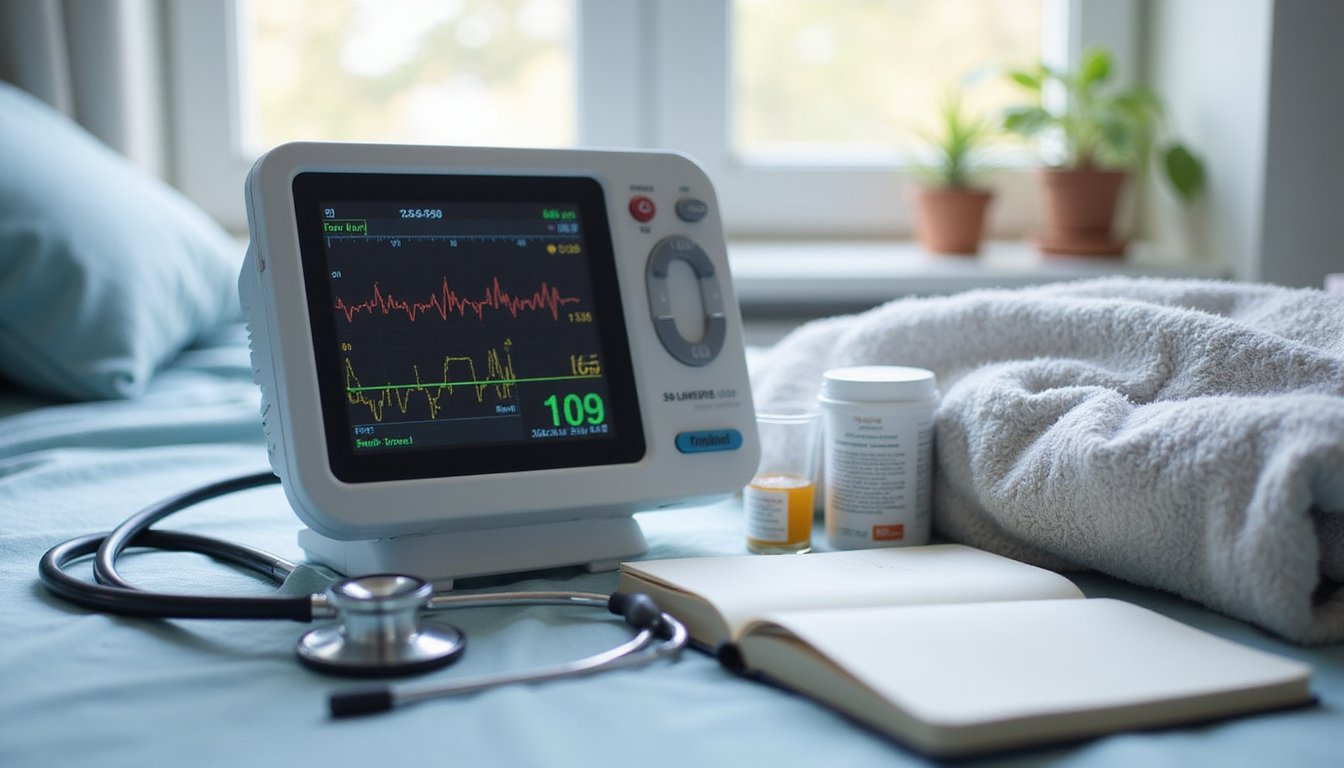
When you choose medical detox, you’ll have immediate access to trained healthcare professionals monitoring your condition around the clock. Your essential signs, withdrawal symptoms, and medication responses will be continuously tracked by specialists who can intervene at the initial sign of complications. The facility provides 24-hour supervision by experienced staff members to ensure your safety throughout the detoxification process. You’ll receive rapid emergency care if needed, with medical staff equipped to handle severe withdrawal symptoms, adverse reactions, or other critical situations that could arise during the detox process. Research has shown that longer treatment episodes lead to better recovery outcomes. This professional supervision has shown that over 60% remain sober after completing their first year of recovery.
24/7 Professional Care Available
Professional care in medical detox settings provides meticulous supervision from trained healthcare specialists who monitor your progress 24/7. You’ll receive care from dedicated staff expertise that includes medical professionals trained in addiction medicine, nurses, and counselors who understand the intricacies of withdrawal management.
During your detox, you’ll benefit from continuous health monitoring through vital sign checks, medication adjustments, and immediate response to any complications. The team will create a tailored treatment plan that addresses your specific needs, including prescription medications to manage withdrawal symptoms and co-occurring conditions. Medical professionals conduct thorough assessments to gather your complete medical history and substance use information before beginning treatment. They’ll also provide essential psychological support through counseling sessions and coping strategy development. The structured environment helps patients focus on recovery goals without outside distractions or triggers. Medical detox is especially crucial for those struggling with opioid addiction, as Florida reported over 4,500 opioid-related overdose deaths in 2019. This exhaustive medical oversight guarantees you’re receiving evidence-based care that optimizes your safety and comfort throughout the detoxification process.
Emergency Response Capabilities
Medical detox facilities maintain three essential emergency response capabilities that surpass home detox options: immediate access to specialized medical teams, advanced monitoring equipment, and proven withdrawal management protocols. When you’re experiencing severe symptoms or complications, you’ll have ED workforce training specialists ready to intervene with life-saving treatments. Trained staff can quickly identify and treat patients experiencing delirium tremens, which has a mortality rate as high as 20% if left untreated. With a staggering 155 million ER visits annually in the U.S., medical facilities are well-equipped to handle emergencies of any scale.
- Continuous crucial sign monitoring through state-of-the-art medical equipment
- Prompt administration of emergency medications for seizures or withdrawal
- Immediate access to resuscitation equipment and critical care resources
- Real-time adjustment of treatment protocols based on patient response
- Direct connection to hospital services if intensive care becomes necessary
Unlike home detox, medical facilities provide thorough discharge planning and specialized addiction care teams who can respond instantly to emergencies. You’ll receive evidence-based interventions that drastically reduce your risk of complications and guarantee safer withdrawal management through every stage of detox. Based on research data, patients with prior ED visits are significantly more likely to require additional emergency care, making medical supervision particularly crucial for those with treatment history.
The Role of Medication in Recovery
When you undergo medical detox, you’ll have direct access to FDA-approved medications that can reduce withdrawal symptoms and cut mortality risk by up to 50%. You’ll receive carefully monitored medication dosing under professional supervision, which isn’t possible with home detox attempts where medication access is limited or nonexistent. Research shows that medication-assisted treatment considerably improves your chances of long-term recovery, particularly if you’re dealing with opioid or alcohol dependence, as evidenced by higher treatment retention rates and decreased relapse risk.
Medication Access Differences
Access to FDA-approved medications represents a critical difference between medical and home-based detox treatments. When you choose medical detox, you’ll receive carefully monitored medication dispensation under professional supervision, ensuring both safety and effectiveness. The medication necessity in medical settings allows for precise management of withdrawal symptoms while preventing dangerous complications.
- Licensed healthcare providers dispense controlled medications like benzodiazepines for alcohol withdrawal
- Medical staff monitors essential signs and adjusts dosages based on your body’s response
- Physicians can immediately address medication allergies or adverse reactions
- Treatment plans include FDA-approved medications specific to your substance dependency
- Professional oversight prevents dangerous drug interactions and overdose risks
You’ll find that medical detox provides structured medication access with proven protocols, while home detox leaves you vulnerable to unmanaged withdrawal symptoms and increased relapse risks.
Managing Withdrawal Safely
Safe withdrawal management hinges critically on evidence-based medication protocols that tremendously reduce overdose risks and improve recovery outcomes. You’ll find that medications like buprenorphine and methadone play essential roles in rapid stabilization, with supervised medical settings offering the safest environment for personalized withdrawal management.
Research shows that buprenorphine’s ceiling effect makes it particularly safe, while methadone requires more structured oversight. You’ll need higher doses of buprenorphine (7-15mg or 16+mg) to match methadone’s effectiveness, but both medications profoundly reduce overdose risk when used for over 180 days. Your chances of overdose drop from 3.6% to just 1.1% with proper medication maintenance. For severe opioid dependence, OTP clinics provide carefully monitored methadone titration, ensuring your withdrawal symptoms remain manageable under medical supervision.
Managing Withdrawal Symptoms
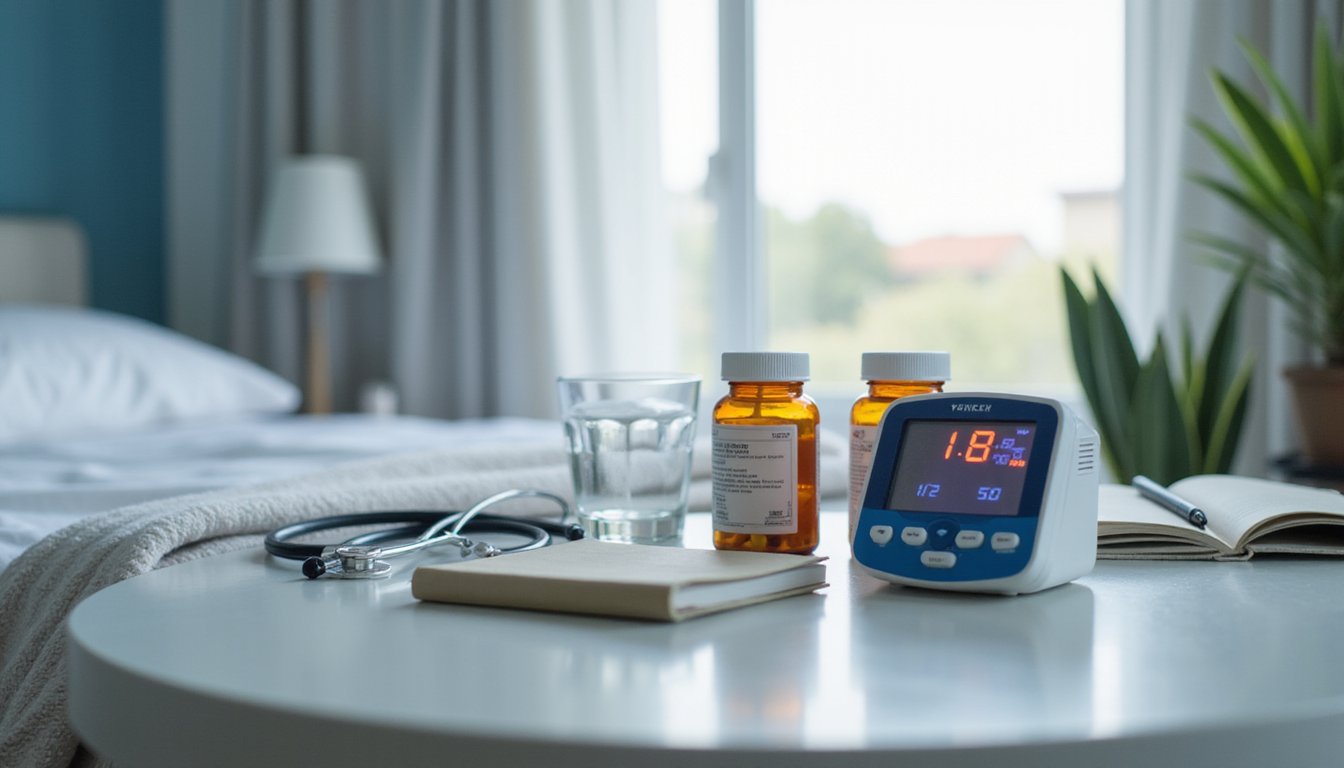
The management of withdrawal symptoms represents a critical phase in the detoxification process, requiring careful monitoring and appropriate interventions. You’ll need to understand both evidence-based treatments and holistic recovery approaches to navigate this challenging period successfully. Different substances create distinct withdrawal profiles, and your personal health factors will influence the severity and duration of symptoms.
- Monitor vital signs closely, including heart rate, blood pressure, and temperature changes
- Track physical symptoms from mild (sweating, nausea) to severe (seizures, hallucinations)
- Identify substance-specific withdrawal patterns for alcohol, benzos, or opioids
- Document mental health changes, including anxiety, depression, and mood swings
- Recognize when immediate medical intervention is needed, especially for life-threatening symptoms like delirium tremens
This systematic approach guarantees appropriate care levels and timely medical response when needed.
Patient Experience and Satisfaction Levels
While managing withdrawal symptoms focuses on clinical outcomes, patient satisfaction data reveal compelling differences between home and medical detox environments. You’ll find higher perceived comfort levels in home-based settings, with 87% of participants reporting extreme satisfaction in Australian studies. This heightened satisfaction often stems from caregiver involvement and the ability to remain in familiar surroundings during treatment.
Home detox shows promising results, achieving a 79% success rate at 10 days and better long-term outcomes at 60 days compared to day hospital alternatives. You’re likely to experience longer treatment duration in outpatient settings (17.9 days versus 11.2 days), which correlates with increased satisfaction rates. However, you must deliberate that home detox requires a reliable support system and may face challenges with weekend monitoring gaps.
Family Support and Social Environment
Family dynamics play a pivotal role in determining detox treatment success, with structured medical environments offering distinct advantages over home-based approaches. Research shows that parental engagement dynamics greatly improve in family-based residential programs, with 92% completion rates and 75% sustained recovery at one year. You’ll find that medical facilities prioritize family cohesion rebuilding through structured training and education, while home detox often lacks these vital support systems.
- Parents receiving professional guidance in medical settings maintain custody of their children 70% more often
- Trained staff facilitate healing conversations between family members
- Dedicated family counseling sessions address underlying relationship issues
- Children benefit from supervised parent-child interaction during treatment
- Family workshops provide tools for long-term recovery support
The structured environment of medical detox creates a foundation for sustainable family healing, outperforming home-based approaches in maintaining family unity.
Preventing Relapse During Detoxification
When considering relapse prevention during detoxification, medical settings demonstrate clear superiority over home-based approaches through thorough safety protocols and evidence-based interventions. You’ll find that medical facilities implement extensive strategies, including anti-craving medications, structured therapy sessions, and continuous monitoring to address post-detox relapse risks.
Your emotional preparedness dramatically improves through clinical programs that combine behavioral therapies with medication-assisted treatment. Unlike home environments where substance-related triggers remain present, medical settings provide a controlled space that eliminates access to drugs or alcohol. You’ll benefit from standardized withdrawal management protocols, real-time craving interventions, and mandatory aftercare coordination. These elements work together to strengthen your recovery foundation and equip you with essential coping skills for maintaining long-term sobriety.
Long-term Recovery Outcomes
The long-term recovery outcomes between medical and home detox programs reveal significant statistical differences in patient success rates. Studies show that you’re 40% more likely to maintain sobriety when choosing medical detox with integrated aftercare programs. While the initial treatment setting matters less after six months, your engagement with long-term follow-up enormously impacts sustained recovery.
- Regular check-ins with healthcare providers track your progress and adjust treatment plans
- Community-based support networks strengthen your resistance to triggers
- Therapeutic interventions address the underlying psychological factors driving addiction
- Structured aftercare programs maintain accountability and prevent isolation
- Professional monitoring identifies early warning signs of potential relapse
Medical detox facilities offer extensive support systems that extend well beyond the initial withdrawal phase, connecting you with resources and professionals who’ll guide your ongoing recovery path.
Choosing the Right Detox Program for Your Needs
When choosing between home and medical detox, you’ll need to weigh convenience against critical safety considerations, particularly if you’re dependent on high-risk substances like alcohol, benzodiazepines, or opioids. Your required level of medical support should be determined by factors including your substance use history, previous withdrawal experiences, and any co-occurring health conditions. The strength of your personal support system, financial resources, and home environment will also profoundly impact which detox setting best positions you for successful recovery.
Safety vs. Convenience Tradeoffs
Making an informed choice between home and medical detox requires carefully weighing safety risks against convenience factors. While self-paced withdrawal and cost-effectiveness make home detox appealing, these benefits often don’t outweigh the serious medical risks, especially for alcohol or benzodiazepine dependencies. Medical supervision provides critical safeguards against life-threatening complications and access to medications that ease withdrawal symptoms.
- Trained medical staff monitoring essential signs 24/7
- Emergency response teams are ready for seizures or cardiac events
- Controlled environment free from substance access
- Professional counseling for emotional support
- Medication-assisted treatment to reduce withdrawal severity
Your safety should be the primary consideration, as convenience factors become irrelevant if severe complications arise. Medical detox consistently shows better outcomes and reduced relapse rates compared to unsupervised home withdrawal attempts.
Medical Support Level Assessment
Selecting appropriate medical support during detox critically depends on your individual risk factors, substance use history, and extensive health status. Your healthcare provider will assess multiple factors, including withdrawal risks, co-occurring conditions, and your support system’s capacity to handle potential complications.
Mental health screenings play a fundamental role in determining whether you’ll need inpatient care, particularly if you’re experiencing suicidal thoughts, severe anxiety, or trauma-related symptoms. Medical professionals will evaluate your need for 24-hour nursing supervision, medication-assisted therapy, and IV treatments based on ASAM criteria. Post-detox rehabilitation planning begins during your initial assessment to ensure seamless integration into ongoing treatment. If you have a history of seizures, severe withdrawal symptoms, or complex medical conditions, you’ll likely require specialized inpatient monitoring rather than home-based care.
Personal Recovery Environment Factors
The choice between home and medical detox treatment largely depends on your personal recovery environment and specific needs. When evaluating your options, consider personal privacy considerations alongside social environment impact, as these factors greatly influence your recovery success.
The home’s proximity to emergency medical facilities for rapid response if complications arise, the presence of supportive family members or friends who can assist during withdrawal, your living space’s ability to maintain a substance-free environment, access to quiet, private areas for rest and emotional processing, and distance from potential triggers or negative social influences.
While home environments offer familiarity and comfort, they may lack the structured support found in medical facilities. You’ll need to assess whether your personal space can accommodate the intensive monitoring and immediate medical response capabilities that supervised detox provides, particularly during critical withdrawal phases.
Frequently Asked Questions
How Much Does Each Type of Detox Program Typically Cost?
Inpatient medical detox programs typically cost you $500-650 daily, with 30-day programs averaging $6,000-30,000. You’ll find outpatient detox services range from $250-500 per day, while uninsured rates can reach $1,000 daily. For methadone maintenance, you’re looking at around $4,700 annually. Most facilities offer payment plan options to manage these costs. Three-month outpatient programs vary between $1,450-11,000, depending on your treatment frequency and specific needs.
Can I Switch From Home Detox to Medical Detox Mid-Treatment?
Yes, you can move from home detox to medical detox mid-treatment, and it’s often advisable if you’re experiencing severe withdrawal symptoms. Making this shift can provide immediate access to proper medical supervision requirements and improved withdrawal symptoms management. Don’t hesitate to make the switch if you’re struggling – medical facilities are equipped to take over your care at any stage, and they’ll adjust your treatment plan based on your current condition.
What Insurance Plans Typically Cover Home or Medical Detox Programs?
Most health insurance plans cover medically-supervised detox programs, but insurance coverage levels vary extensively by provider and plan type. You’ll typically find that private insurance, Medicare, and Medicaid cover medical detox when it’s deemed medically necessary. However, policy exclusions usually apply to home detox due to safety concerns. You’ll need to verify specific coverage with your insurer, as plans often require preauthorization and may limit treatment duration or facility choices.
How Long Does the Entire Detox Process Usually Take?
The typical duration of medical detox ranges from 5-7 days, but your entire detox process may vary based on several factors. The average timeline can extend up to 90+ days when including thorough treatment. You’ll need at least 24 hours of medical supervision for alcohol withdrawal, while opioid detox might take longer. If you have co-occurring conditions or severe dependencies, your detox period could stretch beyond the standard week-long phase.
Are There Age Restrictions for Home or Medical Detox Programs?
Yes, there are strict life stage restrictions for detox programs. If you’re below the age of majority, you’ll typically need parental supervision and consent for any detox treatment. Medical detox facilities have minimum generation requirements, usually 18 years or older, though some specialized youthful programs accept younger patients. Home detox isn’t recommended for adolescents due to medical risks and supervision needs. Most insurance providers and healthcare regulations require individuals under the age of majority to undergo medically supervised detox in appropriate facilities.