


Extensive opioid addiction recovery resources are readily available through evidence-based treatment options. You’ll find access to medication-assisted treatment (MAT), including methadone, buprenorphine, and naltrexone, combined with mental health counseling and family support services. Treatment centers offer flexible payment solutions, accept multiple insurance types, and provide 24/7 helpline support. Integrated dual diagnosis programs address both addiction and mental health needs. The expanding network of accredited facilities guarantees you’ll locate the most effective path to recovery.
Understanding Medication-Assisted Treatment Options
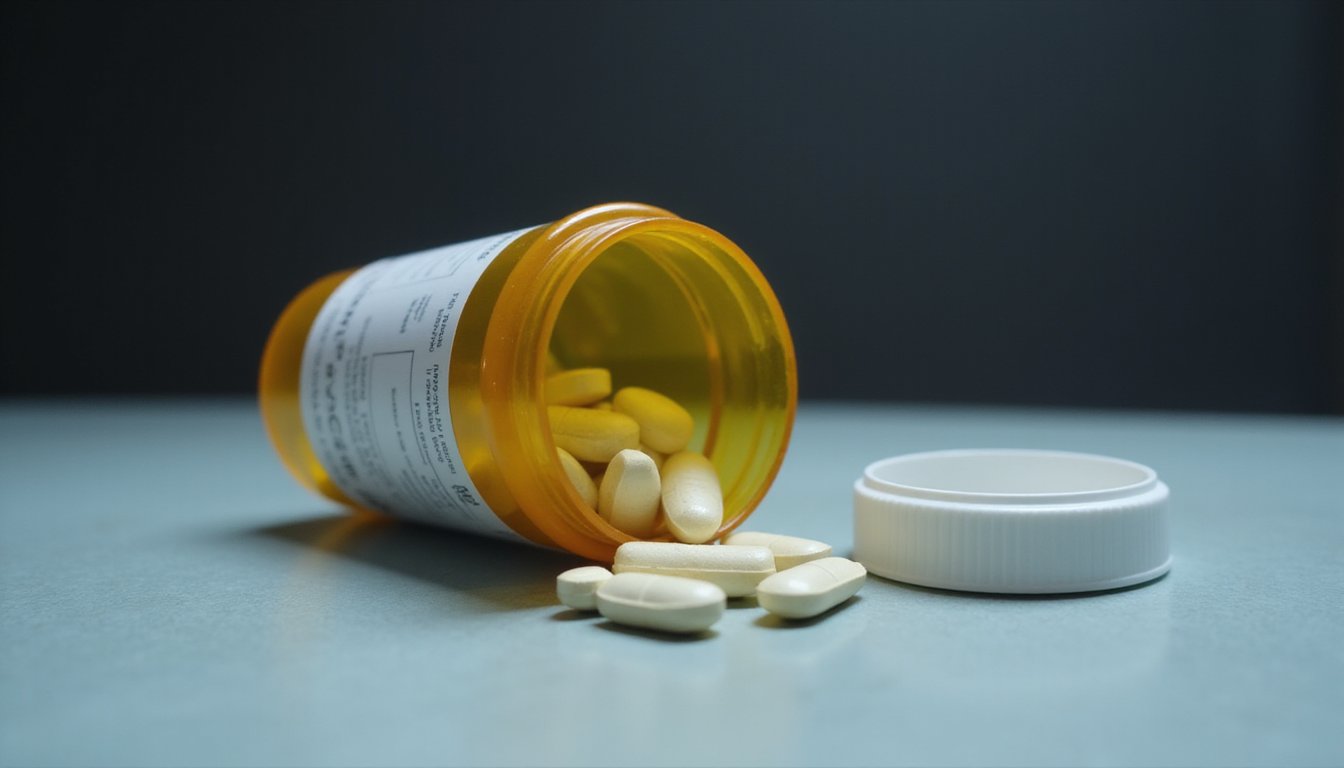
When facing opioid use disorder (OUD), Medication-Assisted Treatment (MAT) stands as the gold standard in evidence-based care. This thorough approach combines FDA-approved medications with counseling to deliver proven outcomes in the recovery process. This comprehensive method provides a whole-person approach to care.
You’ll find three primary medication options available: methadone, buprenorphine, and naltrexone. Each medication works differently to support your recovery path, with evidence-based outcomes showing reduced overdose risk and improved treatment retention. Methadone requires daily visits to specialized clinics, while buprenorphine offers more flexible dispensing through qualified physician offices. Naltrexone, available as a monthly injection, blocks opioid effects entirely but requires complete detoxification before starting. Research shows that patients receiving MAT are more likely to stay in treatment compared to those using non-medication approaches.
Recent advances in prescriber education have expanded access to these treatments, though globally, less than 10% of individuals access effective treatment options. Evidence from WHO guidelines demonstrates that opioid agonist maintenance treatment with medications like methadone and buprenorphine provides the strongest evidence for successful outcomes.
Finding Accessible Treatment Centers Near You
Thorough treatment locator tools help you quickly identify accredited opioid recovery centers in your area through user-friendly search filters and 24/7 helpline support. Many facilities offer evidence-based therapies, including medication-assisted treatment, cognitive behavioral therapy, and therapeutic process groups to support lasting recovery. The Hazelden Betty Ford Foundation provides nationwide treatment centers through an extensive healthcare collaboration network. You’ll find detailed information about each facility’s treatment modalities, specialized programs, and real-time insurance verification options through centralized online directories. Major treatment centers across Kentucky and surrounding regions offer diverse payment solutions, including sliding-scale fees and payment plans, while accepting multiple insurance types to make recovery care more financially accessible. Programs typically maintain 95% satisfaction ratings from patients who complete their recommended course of treatment.
Treatment Location Search Tools
Multiple evidence-based search tools now exist to help you locate accredited opioid addiction treatment centers near your location. Through thorough program quality assessments and location-based comparisons, you’ll find treatment options that match your specific needs.
These certified facilities must complete SAMHSA accreditation to operate and provide treatment services.
SAMHSA’s Treatment Locator offers ZIP code searches with filters for therapy types, facility features, and specialized programs.
American Addiction Centers’ search tool enables filtering by treatment approaches, amenities, and accreditation status.
RehabNet provides state-level guides with evidence-based rankings and accessibility information.
CMS’s database helps you find certified centers offering Medication for Opioid Use Disorder (MOUD) with Medicare coverage.
These platforms feature mobile-friendly interfaces, multilingual support, and virtual pre-admission consultations. You can easily compare facilities based on accreditation, client reviews, and specialized services for specific populations like veterans or teens.
Insurance Coverage and Costs
Understanding your insurance coverage is the initial step in accessing affordable opioid addiction treatment. Marketplace plans, Medicare, and Medicaid all provide thorough coverage for FDA-approved medications, counseling, and therapy services. Provider networks offer negotiated rates that significantly reduce your out-of-pocket costs. Pre-existing conditions are fully covered under all marketplace insurance plans with no additional charges. Treatment experts at Hazelden Betty Ford can help determine your specific benefits by calling their dedicated insurance line.
Cost transparency requirements guarantee you’ll know exactly what your plan covers before starting treatment. Medicare’s bundled payment system now includes telehealth assessments and mobile treatment options, while Medicaid demonstrates up to 30% lower healthcare costs for recipients using addiction medications. Medicaid coverage expansion has significantly improved access to substance use disorder treatments for millions of Americans. If you’re experiencing coverage gaps, financial case managers can help identify scholarships or sliding-scale clinics. Remember, federal parity laws require insurers to provide mental health and substance abuse benefits equal to medical coverage, protecting your access to essential treatment services.
Mental Health Support and Counseling Programs

If you’re struggling with opioid addiction, you’ll find extensive mental health support through integrated dual diagnosis treatment programs that address both substance use and co-occurring mental health conditions. Trauma-informed therapeutic approaches, available at 82% of outpatient facilities, help you process underlying psychological factors contributing to addiction while developing healthy coping mechanisms. You can strengthen your recovery path through group support networks, which provide peer encouragement and shared experiences while complementing your individualized counseling program. Through recent Medicaid reforms, treatment has become more accessible with expanded coverage options and reduced financial barriers for those seeking mental health and addiction services. Those with any mental illness experience significantly higher rates of needing opioid treatment, with nine percent requiring intervention in the past year. Specialized medication-assisted treatment options have expanded significantly, with methadone and buprenorphine now available at over one-third of treatment facilities.
Integrated Dual Diagnosis Treatment
While traditional addiction treatment often addresses substance use in isolation, integrated dual diagnosis treatment represents an expansive, inclusive, or thorough approach that simultaneously tackles both substance use disorders and co-occurring mental health conditions. Through evidence-based interventions and specialized provider training, you’ll find exhaustive care that addresses your complete health needs.
Key components of integrated treatment include:
- Coordinated mental health and substance use screening, diagnosis, and treatment planning
- Personalized combination of psychiatric counseling, medication management, and behavioral therapies
- Case management services linking you to housing, employment, and social support resources
- Early detection and continuous monitoring of both conditions to optimize recovery outcomes
Research shows this approach particularly excels in improving psychiatric symptoms, though substance use outcomes remain comparable to traditional programs. You’ll find both individual and group therapy options incorporating proven modalities like CBT and DBT.
Trauma-Informed Therapeutic Approaches
Trauma lies at the heart of many opioid addiction cases, with over half of all Americans having experienced at least one traumatic event in their lives. You’ll find trauma-informed therapeutic approaches that prioritize your safety while offering empowerment strategies through individualized treatment plans.
| Treatment Approach | Key Benefits |
|---|---|
| CBT & EMDR | Processes trauma memories, targets negative thought patterns |
| Somatic Therapies | Addresses physical trauma effects through mindfulness |
| Holistic Practices | Integrates yoga, nutrition, meditation with psychotherapy |
These evidence-based interventions focus on understanding your triggers and emotional pain rather than simply labeling symptoms. You’ll develop healthy coping mechanisms while working through trauma in a safe, respectful environment. Modern treatment centers now combine traditional psychotherapy with emerging modalities like psychedelic-assisted therapy, providing extensive support for sustainable recovery.
Group Support Networks
Group support networks consistently prove essential in opioid addiction recovery, offering structured peer connections and professional guidance through multiple channels. You’ll find robust support through established programs that complement sober living options and workplace support programs.
Key support networks available to you include:
- National organizations like AA and NA, with over 185,000 combined groups worldwide
- Community-based programs through local mental health agencies and faith organizations
- Family-focused groups such as Al-Anon and Nar-Anon, showing 78% improvement in family well-being
- Virtual support platforms offering 24/7 accessibility and specialized forums
These evidence-based networks provide culturally sensitive care while addressing unique challenges of specific populations. You can access these resources through national hotlines, state websites, or local social workers who maintain updated directories of area support options.
Family-Based Recovery Services

Modern family-based recovery services recognize that opioid addiction affects the entire family unit, not just the individual seeking treatment. You’ll find extensive programs that integrate family therapy sessions, parenting groups, and interpersonal counseling to strengthen family resilience factors throughout recovery. Home-based family therapy options allow for personalized intervention within your familiar environment.
These services provide multiple pathways to healing, including certified recovery specialists who work directly with your family members. You’ll receive support through parenting-specific groups, skill-building workshops, and relapse prevention strategies customized to your family dynamics. Programs also address children’s needs through specialized therapeutic interventions and psychiatric support. Case management teams help navigate resources, ensuring your family receives continuous support while working in the direction of sustainable recovery goals.
Federal Funding and Financial Assistance
A strong network of federal funding programs supports opioid addiction recovery in 2025, with over $1.6 billion allocated through State Opioid Response Grants alone. Through public-private partnerships and workforce development initiatives, you’ll find multiple funding streams to support treatment and recovery efforts.
Key funding opportunities available to you include:
- Up to $75,000 in loan repayment through NHSC for addiction counselors serving underserved areas
- Variable SAMHSA block grants for expanding treatment services and telehealth capabilities
- Implementation grants up to $1 million for rural communities through RCORP
- Targeted support ranging from $5,000 to $500,000+ through private foundation grants
These resources prioritize evidence-based treatment approaches while ensuring equitable access across urban, rural, and tribal communities. You’ll find extensive support for prevention, treatment, and long-term recovery programs through these funding channels.
Harm Reduction Services and Safety Measures
Five core harm reduction services are revolutionizing opioid safety in 2025: naloxone distribution, syringe services, fentanyl testing, low-barrier access points, and data-driven outreach programs. You’ll find thorough overdose prevention strategies through community-based distribution models that provide free naloxone kits and training in both urban and rural areas.
At local harm reduction hubs, you can access sterile syringes, fentanyl test strips, and wound care supplies while connecting to HIV/hepatitis screening and vaccinations. These programs offer non-judgmental, client-centered support through peer-led teams who understand your needs. You’ll receive education on safer drug use practices and immediate referrals to substance use treatment, mental health services, and social support. Multi-sector collaborations guarantee these evidence-based interventions reach vulnerable populations where they’re needed most.
Youth-Specific Treatment Programs
Despite significant advances in opioid treatment, youth-specific programs face complex challenges in 2025, with limited residential capacity and high costs creating barriers to essential care. The PYO-TREAT program offers extensive prevention and education, while evidence-based treatment models demonstrate promising outcomes for sustained recovery services.
Key features of youth-specific treatment programs include:
- Specialized residential facilities offering whole-person care at $878 daily, with 28-day average wait times
- Early intervention strategies through school-based services and EPSDT benefits
- Recovery housing support with dedicated care coordinators and aftercare planning
- Evidence-based treatment showing 50% reduction in depression and suicidal ideation
You’ll find expanded access through CMS initiatives and federal funding, though availability remains limited. Only seven states currently offer Medicaid-covered facilities with buprenorphine access for adolescents.
Telehealth and Digital Recovery Resources
Telehealth innovations have revolutionized opioid use disorder (OUD) treatment, with digital platforms now offering unprecedented access to medication-assisted treatment and recovery support. You’ll find that initiating buprenorphine treatment through telehealth is now simpler, with retention rates higher than traditional in-person programs.
Digital privacy protections safeguard your confidential treatment through secure video sessions, mobile apps, and web platforms that connect you directly with clinicians. These resources are particularly valuable if you’re in rural areas or face transportation challenges. You can access medication management, counseling, and regular check-ins from home, overcoming stigma that might prevent you from seeking in-person care. Studies show these digital solutions maintain high treatment retention while reducing relapse risk through consistent support and monitoring.
Recovery Support Networks and Community Resources
Multiple nationwide recovery support networks now provide extensive resources for individuals seeking opioid use disorder treatment. You’ll find thorough support through organizations like MATTERS Network, connecting you to over 250 treatment providers and 1,000 pharmacies for rapid medication access. Culturally responsive programming and peer-led advocacy efforts guarantee support matches your specific needs.
Key community resources available to you include:
- PAARI’s network of 600+ police departments offering non-arrest treatment pathways
- Peer recovery coaches providing lived experience-based guidance through organizations like ATTC
- Justice system partnerships through COSSUP enabling treatment access during supervision
- Specialized mutual aid groups and support networks personalized to tribal, justice-involved, and other communities
These integrated networks deliver evidence-based care while reducing barriers and stigma in your recovery path.
Frequently Asked Questions
How Long Does Withdrawal Typically Last During Opioid Addiction Recovery?
Your withdrawal timeline will vary based on the type of opioid you’ve used. For short-acting opioids, you’ll experience symptoms for 5-7 days, peaking within days 1-3. If you’ve used long-acting opioids, withdrawal can last up to 14-21 days. Management of withdrawal discomfort through medical supervision and appropriate medications can help ease your symptoms. Factors affecting duration include your usage history, dosage, and whether you’re following a tapering schedule.
Can I Continue Working or Attending School While Receiving Addiction Treatment?
Yes, you can continue working or attending school during addiction treatment. Most programs offer flexible scheduling and options like evening sessions, telehealth visits, and take-home medications to accommodate part-time employment or academic commitments. You’ll find that treatment centers can provide academic accommodations and work-compatible schedules through outpatient programs. Federal protections and vocational rehabilitation services also support your ability to maintain employment while pursuing recovery.
What Percentage of People Successfully Maintain Long-Term Recovery From Opioid Addiction?
Research shows that about two-thirds of people achieve long-term recovery from opioid addiction within 4 years after treatment. You’ll find that treatment outcomes vary: roughly one-third maintain recovery without medication, while another third succeed with ongoing medication assistance. While relapse rates are high during early recovery, your chances of maintaining sobriety improve dramatically with continued engagement in treatment and support services, especially after the critical 5-year mark.
Will My Insurance Cover Alternative Therapies Like Acupuncture for Addiction Treatment?
Your insurance coverage for acupuncture in addiction treatment will likely be limited. Most private insurers don’t specifically cover alternative therapies for substance use disorders, though some may cover them for pain management. You’ll need to verify your plan’s specific benefits, as coverage varies widely. Consider exploring integrative therapy options through FSAs/HSAs or combining covered mental health counseling with out-of-pocket alternative treatments. Always check with your insurer before starting any treatment.
How Can I Support a Family Member Without Enabling Their Addiction?
You’ll need to set healthy boundaries while showing compassion. Don’t provide money directly or cover up consequences of their addiction, as this enables destructive behavior. Instead, encourage professional help by offering to help find treatment programs or accompanying them to appointments. Express your care and concern while maintaining firm limits. Join support groups like Nar-Anon to learn effective strategies and take care of your own emotional well-being.