


Natural beverages can powerfully support your recovery path while helping you stay hydrated and nourished. You’ll benefit from water and coconut water for essential hydration, berry smoothies for brain health, and protein shakes for tissue repair. Calming herbal teas like chamomile, lavender, and holy basil help ease anxiety and promote sleep. Whether you’re craving something invigorating or comforting, there’s a healthy drink option to match your needs and fuel your healing process.
Essential Hydrating Beverages for Recovery Success
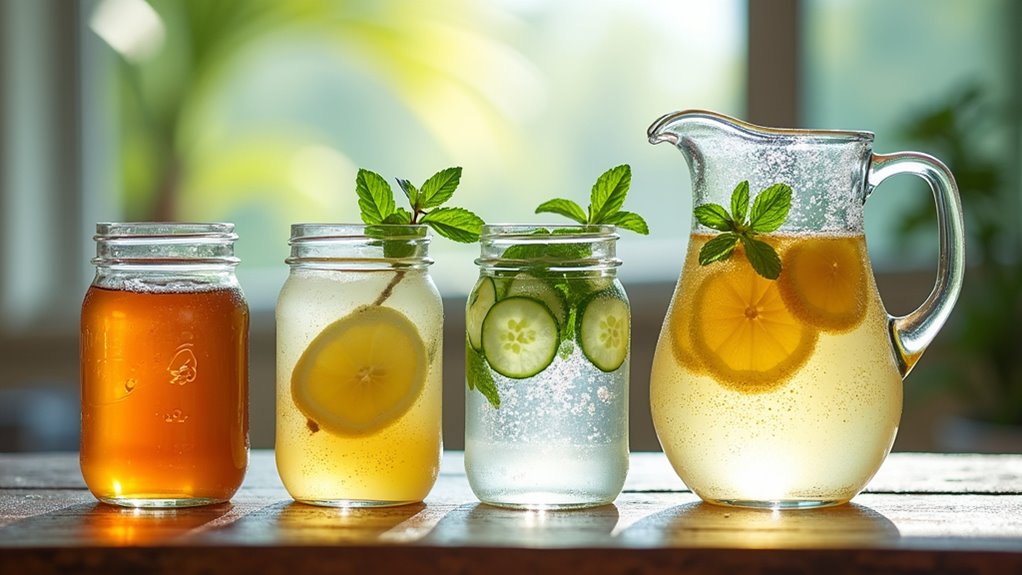
The expedition to alcohol recovery requires proper hydration as a cornerstone of success. You’ll need a strategic mix of hydrating beverages to replenish your body and support the healing process. Water stands as your primary ally, helping flush out toxins while easing withdrawal symptoms like headaches and fatigue. Carrying a water bottle throughout the day serves as a constant reminder to stay properly hydrated.
Beyond plain water, you’ll benefit from electrolyte infused coconut water and probiotic enriched fermented beverages that restore crucial minerals and gut health. Natural broths can soothe your stomach while replacing lost sodium and potassium, especially during early recovery. Fresh fruit juices deliver essential vitamins and natural sugars that support your energy levels without dehydrating effects. Those seeking healthier lifestyle changes can find that improved sleep quality naturally follows alcohol cessation. Maintaining proper hydration is essential since alcohol suppresses thirst, making dehydration a common challenge during recovery. For calming hydration, choose caffeine-free herbal teas that can ease anxiety and promote relaxation while maintaining your fluid balance.
Power-Packed Smoothies for Nutritional Balance
Smoothies provide one of the most efficient ways to get your brain and body back on track during alcohol recovery, especially when you combine antioxidant-rich berries with protein-packed ingredients. You’ll benefit from brain-boosting compounds found in blueberries, strawberries, and blackberries, while protein from Greek yogurt, whey, or plant-based sources helps stabilize blood sugar and repair tissues. Adding protein powder provides up to 57 grams of muscle-repairing nutrients in a single serving. coconut water to your smoothies delivers vital electrolytes and exceptional hydration benefits that are essential during recovery. Pre-portioning ingredients into freezer bags makes it convenient to maintain healthy smoothie habits during recovery. Whether you prefer a simple berry-banana blend or a more complex recovery shake with added superfoods, these nutrient-dense combinations can help restore essential nutrients while being gentle on your digestive system.
Brain-Boosting Berry Blends
When recovering from alcohol use, your brain deserves powerful nutrition that can help restore cognitive function and encourage healing. Berry-based smoothies offer remarkable brain neuroplasticity amplification and daily cognitive performance enhancement through their rich antioxidant content. A six-month clinical trial demonstrated that daily wild blueberry consumption improved cognitive processing speeds in older adults with memory concerns. The neural communication between brain cells is strengthened when consuming berries regularly.
- They improve your memory and processing speed within hours of consumption, helping restore cognitive function to healthier levels.
- Their unique polyphenols protect brain structure and augment blood flow, supporting repair of neural pathways.
- The natural compounds help balance stress hormones and stabilize mood, pivotal for maintaining emotional well-being during recovery.
Research shows that consuming mixed-berry drinks can provide executive function benefits within just 20 minutes to 2 hours after consumption. You’ll get the most benefit from wild blueberries, blackberries, and other dark berries blended together, as their combined properties work synergistically to support your brain’s healing process.
Protein-Rich Recovery Shakes
Building a strong nutritional foundation during alcohol recovery requires protein-rich smoothies that can help repair your body and restore essential nutrients. You’ll find that protein shakes provide a practical way to support tissue repair while stabilizing blood sugar and mood. Recovery shakes are particularly important since alcohol consumption has been shown to be an unnecessary stressor during the recovery phase.
Start with whey or plant-based protein powder options, then amplify your shake with fortifying superfood additions like Greek yogurt, nut butters, or seeds. Add spinach or kale for antioxidants, and include fruits for natural sweetness and fiber. Don’t forget healthy fats from avocado or flaxseed to support brain health and reduce inflammation. These shakes can help counteract the effects of nutrient uptake impairment caused by alcohol’s damage to the digestive tract’s mucosal lining. Regular protein consumption helps replace and regenerate cells that have been damaged during addiction.
Aim for 0.8-1.2 grams of protein per kilogram of body weight daily, and consult a registered dietitian to customize your shake recipes. You’ll want to focus on sugar-free bases and consistent protein intake throughout your recuperation expedition.
Healing Herbal Teas and Their Benefits
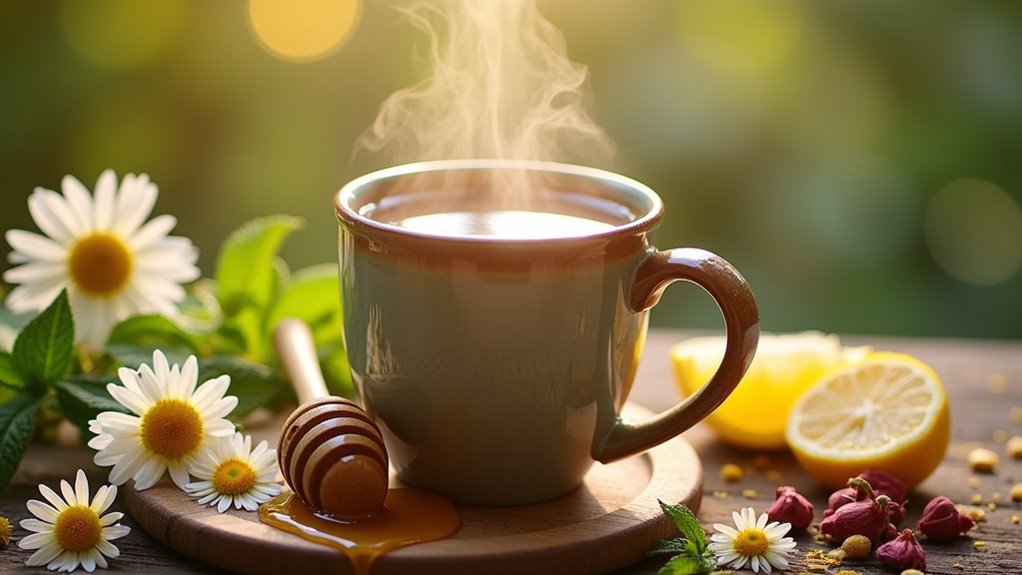
During alcohol recovery, healing herbal teas can become powerful allies in your quest for wellness. Anti-inflammatory herbal blends like chamomile, lavender, and lemon balm provide natural support for sleep and anxiety relief. Recent research has shown that certain teas can help reduce acute alcoholism through multiple beneficial mechanisms. You’ll find these stress-relieving tea combinations particularly helpful during challenging moments of your recovery journey. Staying hydrated with herbal teas is essential as proper hydration helps minimize withdrawal symptoms and supports organ function. The best way to prepare these teas is with fresh, cold water for optimal results.
Healing herbal teas offer natural comfort and support while navigating the challenging path of alcohol recovery and wellness.
- Calming teas like valerian root and passionflower help regulate sleep patterns and reduce anxiety.
- Digestive support teas including peppermint, ginger, and fennel ease stomach discomfort and nausea.
- Mood-balancing options such as holy basil and rhodiola rosea enhance emotional resilience while kudzu root specifically helps manage cravings.
Traditional teas like green and oolong also provide antioxidant benefits, supporting your body’s natural healing processes during recovery.
Antioxidant Drinks That Support Liver Health
Supporting your liver with antioxidant-rich beverages can amplify your recovery path beyond herbal teas. You’ll find powerful healing properties in polyphenol-enriched beverages like green tea, which can improve your liver function when consumed regularly. Grapefruit and citrus drinks offer protective compounds like naringenin, while berry-based beverages provide anthocyanins that combat liver cell damage.
Don’t overlook beetroot juice’s unique benefits; its betalains and nitrates fortify your liver’s natural detoxification processes. For maximum antioxidant synergy benefits, try combining different drinks, such as blending beetroot with citrus. Remember to check with your healthcare provider about grapefruit consumption, as it can interact with medications. These antioxidant-rich options work together to reduce inflammation, support cellular repair, and strengthen your liver’s resilience during recovery.
Natural Alternatives for Social Settings
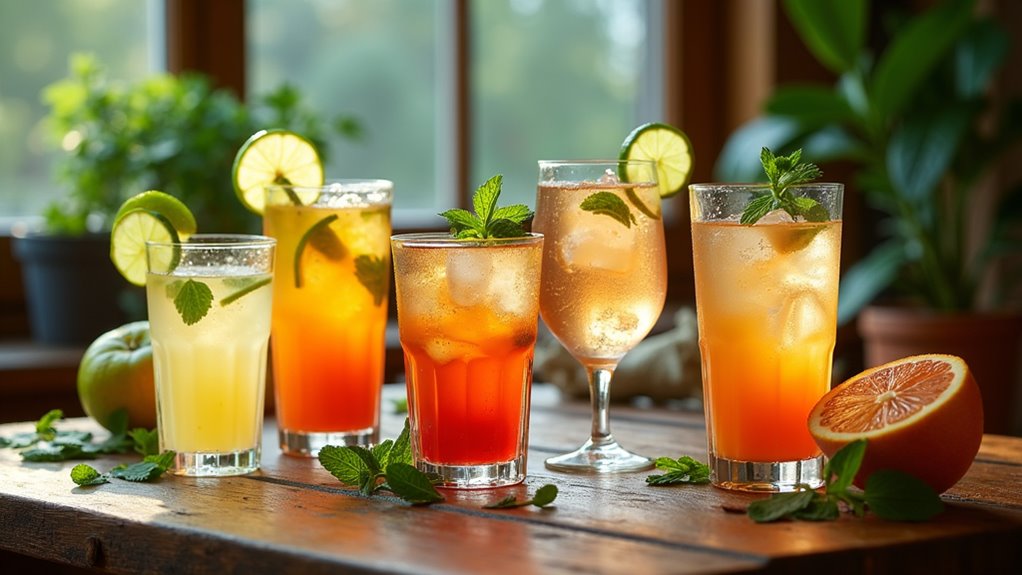
When you’re socializing at events, you’ll uncover that mocktails offer a sophisticated and enjoyable way to participate without alcohol. You can create or request enticing combinations using fresh juices, herbs, sparkling waters, and natural syrups that rival traditional cocktails in both presentation and taste. These alcohol-free alternatives help you maintain your recovery goals while feeling confident and included in social settings, especially when served in elegant glassware with thoughtful garnishes.
Mocktail Magic At Events
As social attitudes continue to evolve, mocktails have emerged as a vibrant and inclusive alternative at events, transforming the way people celebrate and socialize. Venues are embracing creative mocktail menus that foster an inclusive social culture, making everyone feel welcome regardless of their drinking choices.
You’ll find exciting options at diverse venues that cater to your alcohol-free preferences:
- Sporting events and concert venues now feature dedicated alcohol-free zones and sophisticated drink stations
- Wedding receptions showcase premium mocktails with superfood ingredients and herbal infusions
- Corporate gatherings offer hydrating, nutrient-rich alternatives featuring complex juices and adaptogenic ingredients
This shift isn’t just a trend; it’s a sustainable movement driven by changing generational values and growing health consciousness, particularly among Gen Z and Millennials who are actively seeking alcohol-free socializing options.
Non-Alcoholic Bar Basics
Setting up a non-alcoholic home bar opens up endless possibilities for crafting sophisticated drinks that rival traditional cocktails. You’ll want to start with essential tools: a cocktail shaker, jigger, muddler, and strainer, plus various glassware to elevate your zero-proof mixology experience.
Stock your bar with non-alcoholic spirits that mirror their traditional counterparts – from whiskey alternatives with smoky notes to botanical gin substitutes. Embrace the growing low ABV cocktail culture by incorporating natural flavor amplifiers like ginger beer, fruit shrubs, and verjus. These ingredients help create complex, balanced drinks that go beyond simple mocktails.
Remember to focus on texture and intensity through ingredients like aquafaba for foam, strongly brewed teas for depth, and herb-infused syrups for customization. You’ll uncover that crafting alcohol-free drinks can be just as rewarding as traditional bartending.
Restorative Mineral-Rich Drink Options
Three essential minerals, magnesium, sodium, and potassium, form the foundation of restorative mineral-rich drinks for alcohol recovery. You’ll find these crucial nutrients in gut friendly probiotic infusions and nutrient dense superfood tonics that support your transformative journey.
Blend mineral-rich smoothies with leafy greens, bananas, and avocados for natural magnesium and potassium. Sip on herbal infusions like nettle leaf, dandelion root, or red clover tea for bioavailable minerals. Try prebiotic-enriched electrolyte drinks to support your gut microbiome and boost detoxification.
These options help restore depleted minerals while supporting your gut-brain axis, which can improve mood and reduce cravings during recovery. Remember to consult your healthcare provider about the right mineral balance for your needs.
Frequently Asked Questions
How Soon After Quitting Alcohol Should I Start Drinking These Alternatives?
You can start with water and electrolyte drinks immediately after quitting, but it’s best to begin shifting gradually to other alternatives after the initial 72 hours, once acute withdrawal symptoms subside. You’ll want to consult your healthcare provider first, especially if you’ve been a heavy drinker. They’ll help create a safe timeline based on your specific situation. Remember, everyone’s restoration process is different, so listen to your body and medical team.
Can These Natural Drinks Interact With Medications Prescribed for Alcohol Recovery?
Yes, natural drinks can interact with your recovery medications, so you’ll need to be cautious. Even seemingly harmless beverages might affect how your prescribed medications work. It is crucial to discuss potential medication conflicts with your healthcare provider before attempting any new drinks. They’ll help determine safe options and recommended dosage guidelines specific to your treatment plan. Do not start any new beverages without obtaining professional medical clearance.
What Signs Indicate I’m Drinking Too Many Detox Beverages?
You’ll know you’re drinking too many detox beverages if you experience frequent headaches, digestive issues like nausea or diarrhea, or sleep problems. Watch for mood swings, anxiety, or unusual fatigue. Pay attention to your hydration levels – if you’re urinating excessively or feeling dehydrated despite high fluid intake, that’s a red flag. Excessive consumption can also cause heart palpitations or muscle tension. Trust your body’s signals and adjust your intake accordingly.
Are There Specific Times of Day Best for Drinking Recovery Beverages?
Yes, you’ll want to follow a suitable consumption schedule throughout your day. Start with water or electrolytes right after waking to offset dehydration. Mid-morning is ideal for B-vitamin and antioxidant-rich drinks. Space appropriate serving sizes evenly during the day rather than consuming large amounts at once. In the evening, switch to caffeine-free herbal teas to support sleep. After exercise, rehydrate within 30 minutes for best recovery benefits.
How Long Should I Continue These Drinks After Achieving Sobriety?
You’ll want to continue these drinks for at least 3-6 months after achieving sobriety, as this period is pivotal for managing withdrawal symptoms and healing. While there’s no one-size-fits-all timeline, maintaining moderation with these beverages helps support your ongoing recovery. Listen to your body; if you’re still experiencing cravings or nutritional needs beyond six months, it’s perfectly fine to continue. You can gradually reduce intake as your body heals and stabilizes.