


Outpatient addiction treatment could be your ideal recovery path if you need flexibility while maintaining work, school, or family responsibilities. You’ll benefit from lower costs compared to inpatient care, with average expenses of $2,228 versus $32,523 for residential programs. With success rates of 40-60% and the ability to access evening or weekend therapy sessions, outpatient treatment offers effective recovery support while keeping your life on track. Learn more about how this treatment option aligns with your personal recovery goals.
Understanding Outpatient Vs Inpatient Treatment Options
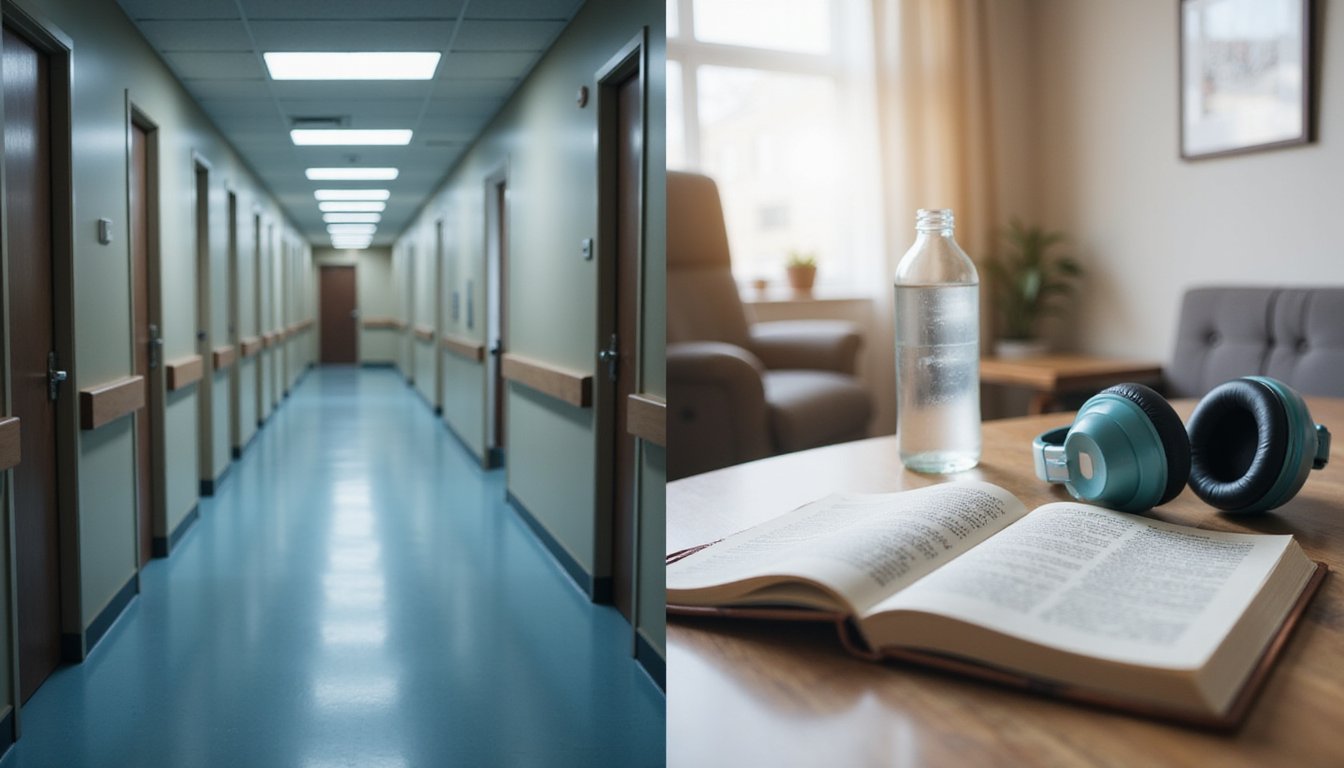
When choosing between outpatient and inpatient addiction treatment, understanding the key differences can help you make an informed decision about your recovery process. Inpatient treatment provides 24/7 medical supervision in a highly structured environment, removing you from triggers and potential relapse risks. You’ll receive extensive care for 30-90 days while stepping away from daily responsibilities. Dual diagnosis treatment is also available to address any co-occurring mental health conditions alongside addiction recovery. Medically-assisted detox is typically the first phase of inpatient care. Most facilities offer insurance verification to help determine coverage for treatment options.
Outpatient treatment offers a personalized treatment approach that lets you maintain independent living expectations. You’ll attend scheduled therapy sessions while continuing work, school, or family commitments. This option requires strong self-management skills and a stable home environment. Though you’ll face ongoing exposure to triggers, you’ll have the opportunity to immediately practice coping strategies in real-world situations. The choice between programs often depends on your addiction severity, support system, and personal circumstances.
Key Benefits of Choosing Outpatient Rehab
You’ll find outpatient rehab substantially more affordable than inpatient treatment since you won’t need to pay for room and board or 24-hour supervision. While receiving quality care, you can continue working, attending school, or caring for your family, which helps maintain financial stability and vital relationships. Your insurance may cover much of the treatment cost, making outpatient programs an accessible option for receiving evidence-based addiction care. Research shows outpatient treatment can be highly effective with 40-60% success rates depending on factors like program duration and patient engagement. Studies have demonstrated that patients receive core therapeutic services including structured programming, counseling, and education to build essential coping and relapse prevention skills.
Lower Treatment Costs
One of the most compelling advantages of outpatient addiction treatment is its considerably lower cost compared to inpatient and residential programs. You’ll find outpatient programs averaging $2,228 per episode, while residential care can cost upwards of $32,523. Research shows that outpatient drug-free programs consistently demonstrate the highest cost-effectiveness among all treatment modalities. With 91,592 patients seeking residential treatment annually, outpatient care remains a more accessible and economical choice for most people. Larger outpatient facilities tend to have lower per-client costs due to their ability to serve more patients efficiently. With flexible payment options like sliding scales and per-visit payments, you’re able to manage treatment expenses more effectively.
Consider these cost-saving benefits:
- You’ll avoid room and board expenses while continuing to live at home
- You won’t need extended time off work, preventing loss of wages
- You’ll save on reduced hidden costs like facility charges, amenities, and unexpected surcharges
Whether you’re seeking general outpatient care at $74-221 weekly or intensive treatment at $243-598 weekly, you’ll find these programs far more affordable while maintaining quality care standards.
Maintain Daily Responsibilities
Through outpatient addiction treatment, you’re able to maintain critical daily responsibilities while pursuing recovery. You can continue working your regular hours, fulfilling caregiving responsibilities for children or elderly family members, and preserving educational pursuits without significant interruption. Treatment plans are personalized for each individual to ensure optimal outcomes. Patients can access treatment centers that offer easy transportation access from major highways and public transit routes.
The flexible scheduling of outpatient programs lets you attend therapy sessions during evenings or weekends, making it easier to balance treatment with work, school, and family obligations. You’ll have the advantage of immediately applying the coping skills you learn in therapy to real-world situations, strengthening your recovery expedition. Moreover, you can maintain your social connections and community involvement, which are essential for long-term success. This integrated approach allows you to build a solid foundation for recovery while keeping your life stable and productive. The program’s sliding-scale fees make treatment accessible to individuals across different financial situations.
Success Rates Across Different Substance Types

Success rates for outpatient addiction treatment vary considerably across different substances, with alcohol showing the most promising outcomes at over 45% of admissions and 89% maintaining sobriety in the initial month after treatment. Recovery can be achieved through multiple pathways, as over half of individuals reach sobriety without formal treatment programs. Virtual outpatient programs have shown that patients who receive staff-approved discharge have significantly better outcomes, with nearly 70% remaining abstinent at one year. For those seeking continued care, many experts recommend stepping down from inpatient to outpatient programs for optimal results. Effective medication-assisted treatment, combined with counseling, greatly improves your chances of positive long-term outcomes, especially for alcohol and opioid dependencies.
Outpatient addiction treatment success varies widely, with alcohol recovery showing the highest rates through medication and counseling support.
You’ll find varying success rates depending on your specific substance use:
- Alcohol treatment shows the highest success, with 80% of patients reporting sustained abstinence and improved quality of life
- Opioid treatment with MAT demonstrates 41% completion rates and cuts death risk by half
- Marijuana and stimulant treatments achieve roughly 43% completion rates, with contingency management therapy nearly doubling abstinence success for methamphetamine users
The Role of Treatment Duration in Recovery
Research consistently shows that the length of time you spend in addiction treatment directly influences your recovery outcomes. The longer you remain engaged in treatment, the better your chances of maintaining sobriety and reducing problem severity.
While intensive outpatient programs typically last 30-90 days with multiple weekly sessions, regular outpatient care extends 45-60 days with fewer sessions. Your specific needs, including addiction severity and any co-occurring mental health conditions, will determine your paramount treatment duration. Engagement and relapse risk also play pivotal roles in determining how long you’ll need treatment.
Remember that successful recovery often depends on proper aftercare planning and continuous support. Whether you choose intensive or regular outpatient care, maintaining consistent participation in treatment provides the best foundation for lasting recovery.
Financial Considerations and Insurance Coverage

Understanding the financial aspects of outpatient addiction treatment is pivotal for making informed decisions about your care. Most health insurance plans now cover addiction treatment services, thanks to the Mental Health Parity Act and the ACA. You’ll want to verify your coverage details, including deductibles, copayments, and plan flexibility for telehealth options.
Insurance coverage for addiction treatment has improved dramatically, making professional help more accessible than ever before.
When exploring your coverage, consider these key factors:
- In-network providers typically offer treatment at 70-100% coverage, reducing your out-of-pocket expenses
- Payment plans can help bridge any gaps between insurance coverage and treatment costs
- Some plans may require referrals from your primary care physician before approving specialized addiction services
Don’t let financial concerns prevent you from seeking help. Many treatment centers offer financial counseling to help you navigate insurance claims and identify affordable care options.
Maintaining Work-Life Balance During Treatment
While managing financial aspects sets the foundation for treatment, balancing work and life responsibilities during outpatient addiction recovery requires careful planning and support. You’ll find that outpatient programs offer flexible scheduling with morning, evening, and weekend sessions to accommodate your work schedule and family obligations. This flexibility allows you to maintain employment while receiving treatment, which provides essential financial stability and a sense of normalcy.
Your social support network, including understanding colleagues and supervisors, can play a crucial role in your recovery path. Though you may face challenges like managing withdrawal symptoms or workplace stress, you can utilize strategies such as time management techniques, workplace accommodations, and self-care practices to maintain balance. Treatment programs often include personalized planning to help you navigate these competing responsibilities effectively.
Support Systems and Community Integration
Strong support systems serve as essential pillars throughout your addiction recovery path, with evidence showing that engaged social networks considerably improve treatment outcomes. When you participate in outpatient treatment, you’ll find that family support networks play a crucial role, with 83% of facilities offering family counseling to strengthen your recovery foundation.
Your journey to lasting recovery is supported by various community integration resources, including:
- Peer-led support groups and 12-step programs that foster accountability and shared experiences
- Housing and transportation assistance programs that help maintain stability during treatment
- Employment support services that aid your reintegration back into the workforce
You’ll benefit from ongoing care that gradually decreases in intensity while maintaining connections to community services, helping you build a sustainable recovery lifestyle that works for your unique situation.
Evaluating Your Personal Recovery Needs
The process of choosing an effective addiction treatment path requires careful evaluation of your personal circumstances and recovery needs. An addiction severity assessment is pivotal to determine whether outpatient care matches your situation, as this level of treatment works best for mild to moderate cases.
Consider your daily responsibilities and personal support network. If you have stable employment, family obligations, or school commitments, outpatient treatment’s flexibility might suit you better. You’ll need reliable transportation and the self-discipline to manage triggers outside of treatment sessions.
Your financial situation and insurance coverage also matter. Since outpatient care typically costs less than inpatient treatment, it’s often more sustainable long-term. Keep in mind that success rates for outpatient programs are comparable to inpatient care when properly matched to your addiction severity level.
Common Challenges and How to Overcome Them
While pursuing outpatient addiction treatment, you’ll need to balance your recovery with daily responsibilities like work, family, and personal obligations. You may find it challenging to maintain motivation without the rigid structure of inpatient care, especially when confronting familiar triggers in your home environment. Learning to navigate these obstacles requires developing strong coping strategies and a reliable support system that can help you stay accountable and focused on your recovery goals.
Maintaining Daily Life Balance
Maintaining balance between recovery commitments and daily responsibilities presents one of the most significant challenges for individuals in outpatient addiction treatment. While exploring family relationships and managing healthcare costs, you’ll need to juggle work obligations, appointments, and personal duties. The key is creating structure that supports your recovery while meeting life’s demands.
- Schedule therapy sessions and support groups during lunch breaks or after work hours to minimize workplace disruption
- Set aside dedicated time blocks for family activities and household responsibilities to maintain stability at home
- Create a weekly budget that accounts for treatment expenses while ensuring essential bills remain covered
With proper planning and time management, you can successfully navigate both your recovery path and daily responsibilities. The flexible scheduling options in outpatient programs exist specifically to help you maintain this vital balance.
Staying Motivated Without Structure
Many outpatient treatment participants struggle to stay motivated without the rigid structure found in residential programs. Without daily check-ins and constant supervision, you’ll need to develop self-imposed structure and reliable support systems to maintain your recovery pathway.
Creating a consistent routine can help counter motivation fluctuations, especially when dealing with work pressures and family obligations. You’ll benefit from joining peer support groups, which provide accountability and connections with others who understand your challenges. Consider using planning tools and apps to track your progress and maintain scheduled activities.
If you’re experiencing anxiety or depression alongside addiction, it’s pivotal to address these concerns with your treatment team. Remember that constructing a non-using social network and developing new coping skills takes time, but they’re essential components for sustaining long-term recovery motivation.
Managing Outside Triggers
Building on your self-imposed structure and support systems, you’ll face a significant challenge in managing outside triggers during outpatient treatment. The key lies in coping mechanism development and social skills rebuilding while traversing environments where substances and users remain present. With relapse rates reaching 56% after six months, it’s imperative to recognize and actively manage your exposure to high-risk situations.
- Identify your personal trigger zones, whether they’re specific neighborhoods, social gatherings, or even certain relationships that could compromise your recovery
- Practice stress management techniques before encountering triggers, deep breathing, mindfulness, or calling your support person
- Create immediate escape plans for unexpected triggers, having a pre-arranged ride, a list of safe places to go, or recovery meetings you can attend
Building a Long-Term Recovery Strategy
Successful long-term recovery from addiction requires an all-encompassing, well-structured strategy that extends far beyond initial treatment. Research shows that combining primary care with specialty addiction services can double your chances of sustained remission over nine years. Your customized aftercare planning should focus on maintaining consistent engagement with healthcare providers and support systems.
You’ll need to ponder ongoing monitoring needs that may evolve over time. Statistics show that 65-67% of individuals maintain remission when they stay connected to continuing care services. While 40-60% of people may experience relapse, your risk decreases considerably with proper support. Regular check-ins with healthcare providers, participation in therapy sessions, and addressing any co-occurring mental health needs will strengthen your recovery foundation. Remember, successful recovery isn’t just about completing treatment; it’s about building sustainable lifestyle changes.
Frequently Asked Questions
How Do Medications Prescribed During Outpatient Treatment Affect Daily Driving Abilities?
Medications prescribed during treatment can markedly affect your driving abilities. You’ll need to be aware that sedatives and anti-anxiety drugs may cause drowsiness and slow your reactions, while stimulants could lead to impulsive decisions behind the wheel. Opioid medications can double your crash risk through impaired judgment. It’s pivotal that you discuss medication effects with your healthcare provider and never drive if you’re experiencing driving impairment from your prescribed medications.
Can I Switch Between Different Outpatient Facilities During My Treatment Program?
Yes, you can switch between outpatient facilities during your treatment. It’s fairly common, with about 21% of patients transferring to better meet their needs. You’ll want to coordinate with both facilities to guarantee a smooth changeover and maintain your personalized treatment plans. Your current facility can help arrange referrals and transfer records. Many centers offer flexible scheduling options to accommodate these changes, but check that your insurance covers the new facility at the outset.
What Happens if I Experience a Medical Emergency During Outpatient Sessions?
If you experience a medical emergency during treatment, staff will immediately activate their emergency protocols. They’ll assess your condition and provide basic initial aid while contacting 911 or emergency services. If needed, you’ll receive preliminary medical stabilization on-site from trained personnel. The facility will arrange immediate emergency response and transportation alternatives to get you to the nearest hospital. You can feel confident knowing that outpatient centers maintain clear procedures for handling medical crises.
Are Romantic Relationships Discouraged While Attending Outpatient Addiction Treatment?
Yes, romantic relationships are typically discouraged during outpatient addiction treatment. You’ll find that most programs recommend focusing on maintaining stability and your personal recovery trek initially. It’s best to wait at least 6-12 months before pursuing new romantic connections. During this time, you’ll benefit more from building support networks through family, friends, and therapy groups. This approach helps guarantee you’re developing a strong foundation for long-term sobriety.
How Do Seasonal Changes and Weather Conditions Impact Outpatient Treatment Attendance?
Seasonal changes and weather conditions can greatly impact your outpatient treatment attendance. You’ll need to plan for seasonal schedule adjustments during extreme heat, cold, or storms that might affect facility operations. It is crucial to work with your treatment team to develop adverse weather precautions, including backup transportation plans and alternative scheduling options. During challenging weather, you might face longer wait times or temporary relocations, so staying prepared and flexible is essential.