


Mindfulness recovery groups combine structured weekly sessions led by trained therapists with peer support to help you develop present-moment awareness and healthier coping skills. You’ll participate in 2-2.5 hour meetings featuring guided mindfulness practices, group discussions, and skill-building activities. The collective healing environment allows you to share experiences while learning from others in recovery. Evidence shows these groups can greatly reduce cravings and improve emotional regulation, with benefits lasting up to 12 months post-treatment. Understanding the essential components will optimize your recovery path.
The Power of Group-Based Recovery
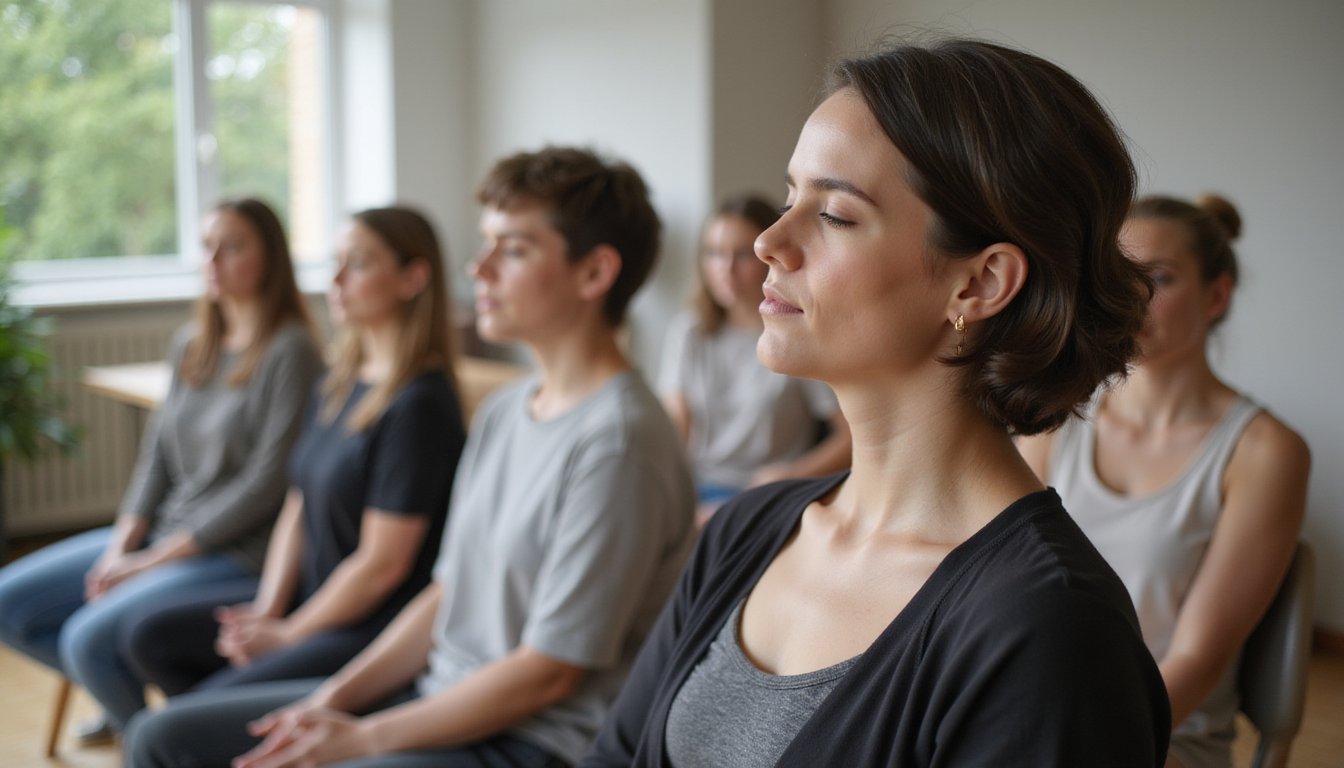
While individual therapy remains valuable, group-based recovery programs offer unique advantages through their collective healing power. When you participate in mindfulness recovery groups, you’ll benefit from the therapeutic alliance that develops not just with facilitators, but with fellow participants who share similar challenges. Sessions typically run 2 to 2.5 hours to allow for comprehensive practice and group discussion.
Led by two trained therapists, these mindfulness groups guide participants through structured recovery activities. Research shows that group dynamics substantially enhance recovery outcomes through multiple mechanisms. Having connections with others who practice mindfulness and meditation leads to better psychological wellbeing. You’ll experience reduced isolation as you connect with others facing common struggles, while the peer support structure helps build accountability and strengthens your recovery commitment. Group settings foster stronger engagement through shared motivation and collective mindfulness training. The data confirms these benefits; participants show improved emotional well-being, increased self-compassion, and augmented recovery capital. This social support network becomes instrumental in building resilience and maintaining long-term recovery success.
Essential Components of Mindfulness Practice
Five essential components form the foundation of effective mindfulness practice: intention, attention and awareness, attitude, presence, and insight. You’ll develop intention by consciously choosing to cultivate awareness, which drives consistent engagement and supports personal growth aspirations. Through attention and awareness, you’ll learn to notice present-moment experiences without distraction, moving away from autopilot responses. Your attitude of non-judgment, acceptance, and kindness creates space for self-compassion and sustainable change. Presence keeps you anchored in the “now,” helping you witness thoughts and feelings objectively. Ultimately, insight emerges through sustained observation, enabling you to recognize patterns in your behavior and thoughts. Mindful reflection can be enhanced through quiet sitting sessions focused on your breath and emotions. Approaching practice with beginner’s mind allows you to remain open to new perspectives and discoveries. These interconnected elements work together to foster lasting transformation and improved self-regulation. Finding a support network can strengthen your commitment to maintaining a consistent mindfulness practice.
Building a Supportive Community

A supportive community forms the cornerstone of successful mindfulness recovery groups, creating a foundation for sustainable healing and growth. You’ll experience mutual understanding through story-sharing circles that foster emotional connections and validate personal struggles. Regular participation develops social bonding as you engage in structured discussions and problem-solving activities with others on similar recovery paths. Trusted accountability partners help confront challenges directly and minimize excuses. Members learn to respond to each other with gentle compassion, creating deeper connections and understanding.
The group setting offers accountability systems that keep you engaged while reducing isolation. You’ll learn effective communication strategies, practice setting boundaries, and develop vital social skills. Art therapy sessions provide non-verbal expression for those who find it challenging to communicate their emotions directly. Through collective goal-setting and collaborative problem-solving, you’ll expand your coping toolbox and build meaningful relationships. The community’s strength lies in its ability to celebrate achievements, provide ongoing support, and create a safe environment where vulnerability and trust flourish.
Weekly Session Structure and Format
Successful mindfulness recovery groups follow a structured weekly format that optimizes therapeutic benefit through carefully sequenced activities. You’ll experience session repetition through predictable two-hour meetings that integrate both didactic learning and experiential practice. The varied curriculum builds systematically over 8-12 weeks, incorporating mindfulness skills alongside ACT principles. Research shows that this structured approach leads to a 34% decreased risk of depressive relapse compared to usual care. The sessions provide dedicated space for participants to pause, reflect and set intentions for their recovery journey. The group facilitator maintains confidentiality and creates a safe atmosphere for all participants.
Each session includes:
- Guided meditation practice (body scan, sitting meditation, or mindful movement)
- Group discussion and homework review to process experiences
- Skills teaching with practical take-home assignments
Between weekly meetings, you’ll engage in daily 45-minute home practices to reinforce learning. This consistent structure, led by certified facilitators in groups of 8-12 participants, creates a reliable framework for developing mindfulness skills while maintaining therapeutic momentum throughout the program.
Evidence-Based Results and Benefits

Research demonstrates that mindfulness recovery groups consistently yield measurable reductions in substance cravings and usage rates, with studies showing up to 12 months of sustained benefits post-treatment. Members who participate in Recovery Dharma benefit from Buddhist-inspired practices that support their recovery journey. Participants receiving mindfulness training showed drug use probability was 54% lower compared to standard treatment. You’ll find strong scientific evidence supporting improved emotional regulation and psychological well-being among participants, particularly when practicing in supportive group environments with regular peer interaction. Clinical data confirms that these benefits extend beyond addiction recovery, positively impacting comprehensive mental health outcomes and reducing relapse rates across diverse substance use disorders. Adults over 40 participating in mindfulness-based relapse prevention show higher abstinence rates compared to those receiving standard treatment.
Clinical Outcomes and Impact
Evidence from multiple clinical trials demonstrates that mindfulness recovery groups yield significant therapeutic benefits across several key domains. Through regular practice and engagement, you’ll experience decreased psychological distress and improved treatment engagement, leading to better recovery outcomes.
Clinical research highlights these primary therapeutic impacts:
- Reduced substance cravings and attentional bias toward addictive triggers, with medium effect sizes observed across diverse substances
- Elevated emotional regulation and self-efficacy, resulting in better response inhibition and coping mechanisms
- Strengthened recovery capital, including improved social connections and psychological resources
The effectiveness of these outcomes correlates directly with practice frequency and group participation. You’ll achieve prime results through consistent meditation practice and active involvement in mindfulness-based interventions, as supported by controlled studies measuring both short and long-term benefits.
Lasting Recovery Rates
Through extensive clinical trials spanning twelve months, mindfulness-based relapse prevention (MBRP) groups demonstrate compelling long-term recovery outcomes, particularly in drug use reduction and sustained abstinence.
You’ll find that MBRP participants show markedly fewer drug use days compared to standard relapse prevention, with the best results occurring in groups where at least one-third of members are women. Gender composition and ethnic factors play pivotal roles in recovery success, as minority participants experience remarkably better outcomes with MBRP for drug use reduction. While heavy drinking relapse rates remain similar between MBRP and traditional approaches, the development of recovery capital proves strongest when you’re actively engaged in group meditation and support activities. Research confirms that your emotional regulation abilities, bolstered through mindfulness practices, serve as a primary predictor of sustained recovery success.
Science-Backed Mental Health Benefits
While numerous therapies exist for mental health treatment, mindfulness-based interventions consistently demonstrate remarkable effectiveness across multiple psychological domains. Research confirms significant improvements in anxiety, depression, and stress levels, with effects comparable to antidepressant medications and cognitive behavioral therapy.
Scientific studies reveal three primary mechanisms through which mindfulness practices transform mental health:
- Augmented emotional self-awareness leads to better regulation of emotional responses and reduced rumination
- Measurable changes in brain structure, particularly in regions governing attention and stress response, improve physiological stress markers
- Sustained neurobiological benefits persist up to one year after program completion, with practitioners showing increased cortical thickness in areas responsible for self-regulation
These evidence-based outcomes highlight mindfulness as a powerful tool for lasting psychological wellness and recovery.
Daily Practice and Integration Strategies
Successful mindfulness recovery depends on establishing consistent daily practices and integrating mindful awareness into routine activities. You’ll find that cultivating consistency through scheduled sessions, even brief 5-10 minute practices, yields measurable benefits for your recovery journey. By establishing routines that incorporate mindfulness into everyday moments, you’ll transform ordinary activities into opportunities for presence and healing.
| Activity | Integration Method | Benefit |
|---|---|---|
| Meals | Mindful eating | Improved nutrition awareness |
| Commute | Breathing exercises | Stress alleviation |
| Walking | Movement meditation | Heightened body awareness |
Start with short, guided sessions and gradually increase duration as your practice develops. Use visual reminders and journaling to track your progress, and incorporate mindful pauses throughout your day to interrupt automatic behaviors and strengthen your recovery foundation.
Experienced Facilitation and Leadership
Effective mindfulness recovery groups require facilitators with specialized training in both mindfulness techniques and addiction recovery protocols to guarantee participant safety and therapeutic progress. You’ll find that qualified leaders create psychologically safe environments through their mastery of group dynamics, emotional regulation, and cultural competency while maintaining clear session structures. Your group’s success depends on facilitators who can flexibly adapt mindfulness practices to diverse participant needs while upholding consistent therapeutic boundaries and evidence-based protocols.
Specialized Training Standards Required
Leading mindfulness recovery groups demands rigorous training standards and documented expertise to certify participant safety and program effectiveness. Facilitator qualifications require completion of standardized MBSR courses, followed by intensive 80-hour certification programs that include supervised practicum, mentoring, and teaching assessments. Student-teacher ratios are carefully monitored to maintain program quality.
Core requirements include:
- Minimum two years of established personal mindfulness practice with documented daily meditation
- Completion of structured 8-week training programs covering curriculum delivery and group facilitation
- Ongoing professional development through continuing education and regular competency evaluations using tools like MBI-TAC
You’ll find that certified facilitators must demonstrate expertise in trauma-sensitive approaches, maintain ethical standards, and participate in peer mentoring to validate accountability and continuous skill development.
Creating Safe Group Spaces
Building on the foundation of facilitator training, the creation of safe group spaces demands skillful leadership that nurtures trust, connection, and healing. Through a trauma-informed approach, you’ll establish clear boundaries and consistent structures while incorporating inclusive design considerations for diverse participant needs.
| Safety Element | Implementation | Outcome |
|---|---|---|
| Physical Setup | Accessible space, comfortable seating | Heightened participation |
| Emotional Security | Clear agreements, confidentiality | Trust development |
| Cultural Sensitivity | Adapted exercises, multiple modalities | Inclusive engagement |
| Crisis Protocol | Emergency procedures, grounding tools | Maintained stability |
Your role involves modeling mindful attitudes while actively monitoring group dynamics. You’ll utilize icebreakers, story-sharing circles, and guided practices to foster connection, always maintaining awareness of participant comfort levels and adjusting accordingly. Regular check-ins and validation maintain ongoing psychological safety for all members.
Balancing Structure With Flexibility
Successfully balancing structure with flexibility in mindfulness recovery groups requires mastery of both programmatic frameworks and adaptive facilitation skills. An adaptable curriculum typically follows an 8-week format with 1.5-2 hour sessions, providing essential structure while allowing for responsive facilitation based on group needs.
Core elements that support effective balance include:
- Clear session objectives and procedures that establish consistency while maintaining room for modification
- Progressive skill-building that moves from foundational practices to more complex techniques
- Active monitoring of group dynamics to adjust content and approach as needed
Your facilitation approach should integrate structured elements like guided practices and home assignments while remaining flexible enough to accommodate diverse participant needs, therapeutic goals, and varying levels of group engagement.
Peer Learning and Shared Growth
Participants in mindfulness recovery groups benefit from a powerful synergy of shared experiences and collaborative learning. Through mutual transformation and collective empowerment, members create a supportive environment where shared narratives reduce isolation and strengthen group cohesion. You’ll find that exchanging lived experiences fosters authentic connections and deepens trust among participants.
The structured format amplifies your recovery journey through peer-guided mindfulness practices and real-time skill development. You’ll engage in active listening exercises, emotional regulation techniques, and group meditation sessions that elevate competency. Regular feedback and reflection cycles help you integrate new insights while building resilience. The accountability framework within these groups supports your continued growth, as shared achievements and milestone celebrations reinforce your commitment to recovery and sustained engagement with mindfulness practices.
Frequently Asked Questions
What Should I Wear to Mindfulness Recovery Group Sessions?
You’ll want to wear comfortable attire that aligns with group protocol expectations. Choose loose-fitting, breathable clothes in white or neutral colors, think cotton pants or long skirts paired with plain shirts. Layer with a light sweater for temperature control. Avoid tight clothing, bright patterns, or distracting logos. Slip-on shoes are ideal as you may need to remove them. Remember to check your specific facility’s dress code for supplementary requirements.
Can I Join a Group if I’m Currently Taking Medication?
Yes, you can absolutely join a mindfulness recovery group while taking medication. Research shows no negative medication interactions between prescribed treatments and mindfulness practice. Most group policies explicitly welcome participants who are on medication-assisted treatment, and studies demonstrate that combining group mindfulness with medication can actually bolster your recovery outcomes. You’ll find that many participants successfully engage in these groups while maintaining their prescribed medication regimens.
Are There Any Age Restrictions for Participating in These Programs?
While many mindfulness recovery programs are open to individuals of all stages, specific age restrictions may apply depending on the group type. You’ll find youth-focused programs typically limit participation to ages 12-17, while adult groups generally serve participants from young adulthood onwards. Due to participant privacy concerns and group size limitations, minors under 3 or those with special needs should contact program coordinators initially. Most adult programs report an average participant stage in the mid-40s.
What Happens if I Miss a Session During the 8-Week Program?
If you miss a session, you’ll receive written materials and practice guides to help maintain continuity. Your facilitator will review missed content during the next session’s homework discussion. While missed sessions can impact your skill development and group dynamics, most programs offer flexibility through catch-up options and supplementary resources. You can minimize disruption by maintaining your daily mindfulness practice (20-45 minutes) and communicating planned absences with your facilitator.
Do I Need Prior Meditation Experience Before Joining a Mindfulness Group?
No, you don’t need any prior meditation experience to join a mindfulness group. These programs are specifically designed for beginners and experienced practitioners alike. You’ll receive step-by-step guidance and support as you develop your mindful preparation skills. The structured curriculum allows participants with varying consistency levels to learn at their own pace. Research shows that newcomers achieve similar positive outcomes to those with meditation experience when following the guided group format.