


A residential treatment facility operates as a highly structured environment where you’ll receive round-the-clock therapeutic care and clinical supervision. Licensed staff maintain strict safety protocols while delivering evidence-based mental health, substance abuse, and dual diagnosis treatments. You’ll experience all-encompassing services including medical care, psychiatric support, and wellness programs within an intimate setting of 15 beds or less. Understanding the full scope of residential treatment reveals how this intensive level of care supports recovery.
Understanding Licensing Requirements and Compliance Standards
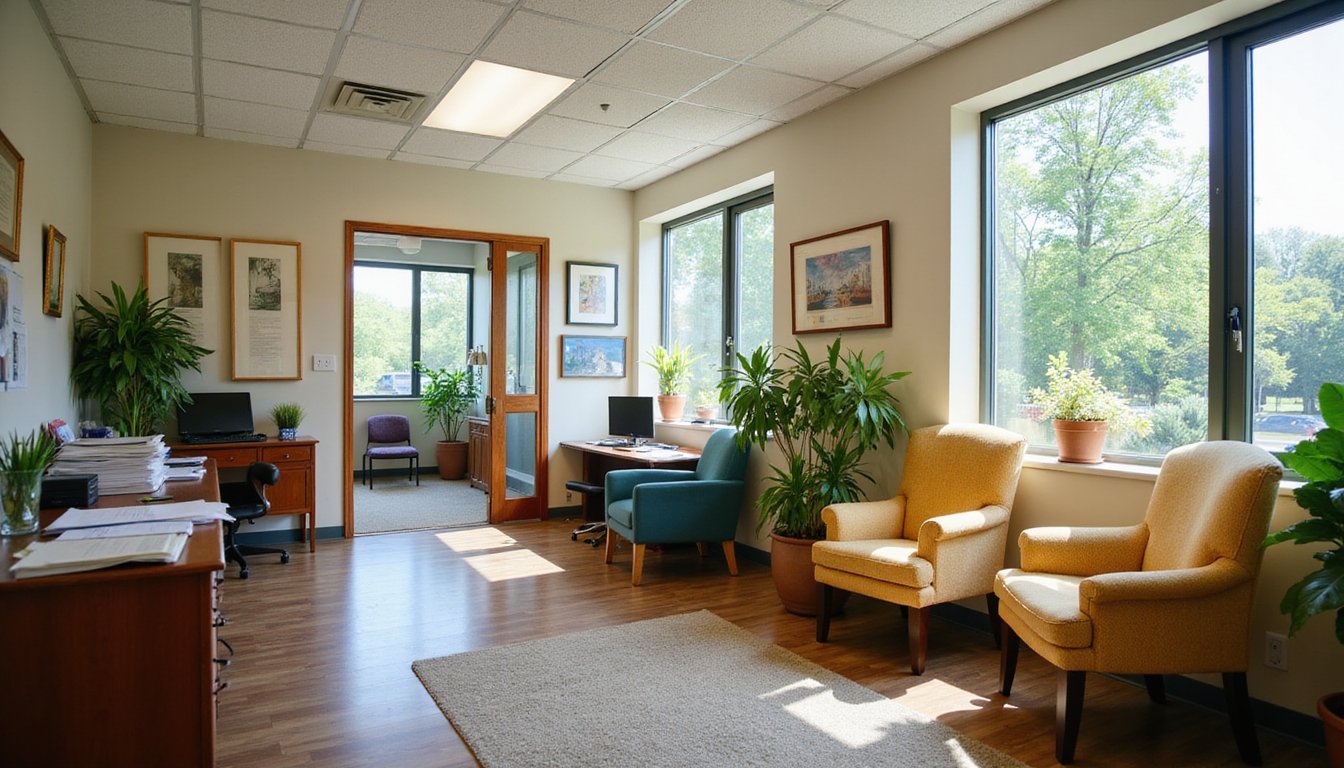
To establish and operate a residential treatment facility in Connecticut, you’ll need to navigate an all-encompassing licensing framework overseen by multiple regulatory bodies. You must initially secure DPH licensure and obtain BHRP credentialing from DMHAS, which remains valid for two years. Each treatment facility must designate an executive director with documented qualifications to oversee daily operations.
Your facility’s enrollment procedures must align with state regulations, and you’ll need to implement extensive patient rights protections. The facility must maintain quality assurance requirements to meet state standards for ongoing monitoring and improvement. If you’re offering detoxification services, you’ll require additional licensing and must maintain 24/7 medical supervision. Your detox facility must provide a medically supervised environment for patients experiencing withdrawal symptoms. The primary license lasts one year, with renewals depending on successful site inspections. For certain facilities, you’ll also need to secure a Certificate of Need to demonstrate your services’ necessity within the community. All operations must comply with DPH and DMHAS standards for safety and care delivery.
Core Services and Treatment Programs
When establishing a residential treatment facility, your core services must encompass extensive mental health, substance abuse, and dual diagnosis programs that align with evidence-based practices. You’ll need to implement evidence-based interventions and holistic wellness programs that address both immediate and long-term recovery needs. Facilities should prioritize culturally respectful care while delivering comprehensive treatment services. Like many online services, treatment programs may experience periods where they need to adjust capacity due to high traffic periods. Programs should maintain 15 beds or less to create a more intimate and manageable treatment environment.
Your facility should offer these essential services:
- Thorough mental health assessments and individualized treatment planning
- Medical detoxification with 24/7 nursing supervision
- Trauma-informed therapy and dual diagnosis treatment
- Family counseling and community support programs
- Aftercare planning with peer support networks
To maintain clinical effectiveness, integrate medical care, psychiatric services, and therapeutic interventions while coordinating with community resources. Focus on delivering trauma-sensitive care that promotes lasting recovery through skill development, behavioral modification, and sustained support systems.
Daily Operations and Safety Protocols
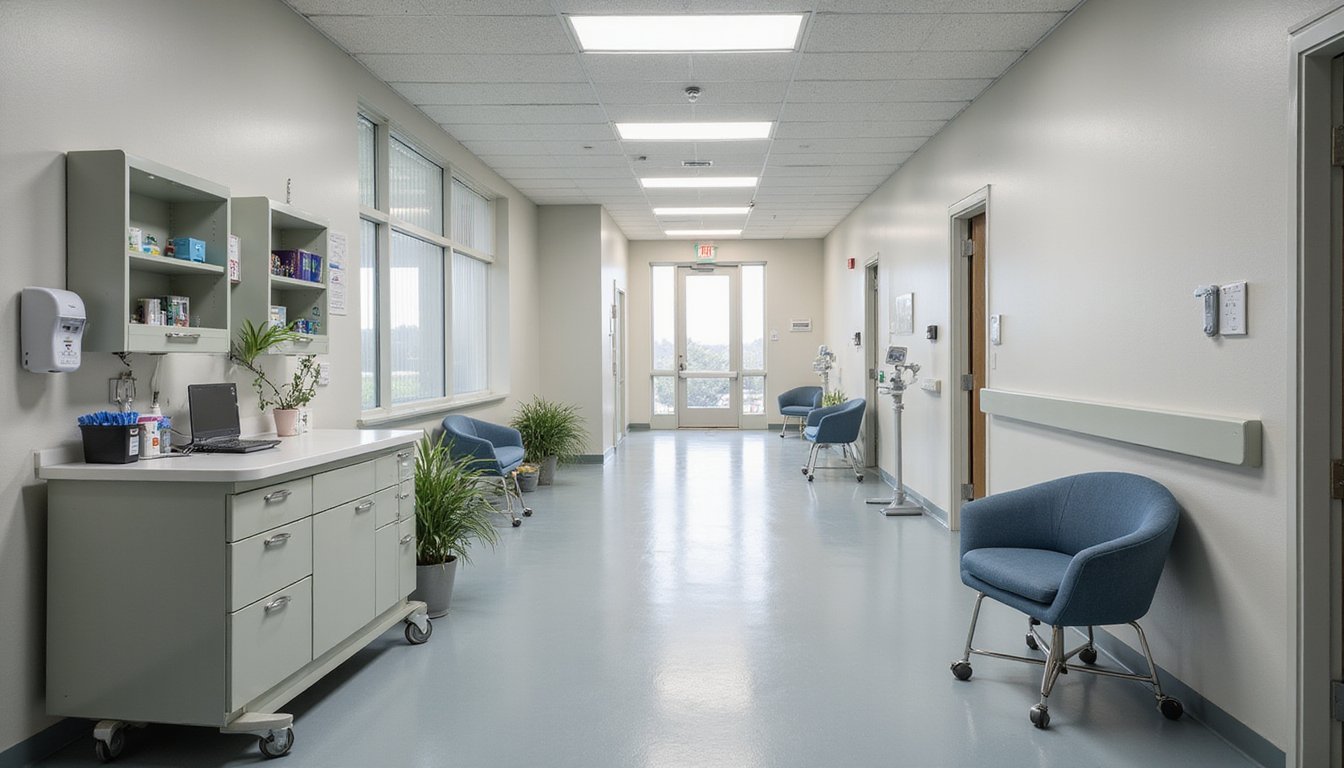
At residential treatment facilities, you’ll find extensive staff monitoring procedures that include 24/7 clinical supervision and regular safety checks at a 1:4 staff-to-client ratio. Your safety is guaranteed through continuous risk assessments, behavior management specialists, and round-the-clock nursing services that respond immediately to medical emergencies. You’re protected by coordinated emergency response protocols that seamlessly connect facility staff with local hospitals and crisis intervention teams when needed. The facility maintains a stable environment through consistent daily schedules and routines that help reduce patient anxiety while promoting recovery. Residents participate in structured morning activities including group therapy sessions after breakfast to address treatment processes and recovery strategies. Comprehensive wellness assessments and intake procedures ensure each patient receives proper treatment placement based on their specific recovery needs.
Staff Monitoring Procedures
Maintaining stringent staff monitoring procedures forms the foundation of secure and effective residential treatment operations. You’ll need to implement strict protocols for seclusion monitoring and restraint documentation while ensuring appropriate staff-to-client ratios at all times. Regular face-to-face checks and proper supervision methods are essential for client safety and well-being.
Key monitoring requirements include:
- Conducting 15-minute physical check-ins, even when using video surveillance
- Maintaining 1:4 staff-to-client ratios during step-down protocols
- Performing hourly RN evaluations for clients with serious mental illness
- Documenting all restraint incidents and post-restraint assessments
- Ensuring trained clinical staff oversee emergency interventions
Your facility must also utilize appropriate technology tools while adhering to privacy regulations and consent requirements. Bear in mind that video monitoring supplements but never replaces direct staff supervision.
Resident Safety Checks
Regular resident safety checks serve as the cornerstone of daily operations in residential treatment facilities. You’ll find these checks conducted every 30-60 minutes, depending on client acuity and program requirements. During rounds, staff verify resident locations, monitor medication administration, and assess for potential risks like withdrawal symptoms or behavioral changes. Advanced real-time alerts help staff respond quickly to emerging issues and prevent adverse events. Facilities must carefully monitor access to potential hazards, as doors and bedding account for the majority of anchor points in suicide attempts.
To maintain appropriate staff to resident ratios, facilities implement standardized protocols across all shifts. With an average unit having 25 resident beds, documentation requirements create a significant workload for healthcare staff. These safety measures include real-time monitoring systems that track behavioral changes and compliance with check completion rates. Medical staff perform assessments within 24 hours of admission to determine stabilization needs, while ongoing checks help identify early warning signs of distress. The Mental Health Environment of Care Checklist has proven particularly effective, reducing inpatient suicides by 67% through systematic hazard prevention and fortified safety protocols.
Emergency Response Protocols
Emergency response protocols form the foundation of risk management in residential treatment facilities. You’ll need thorough plans that integrate surge capacity planning and resource stockpiling while maintaining clear communication channels with staff, residents, and external partners.
Your facility must implement these critical components:
- Develop and annually review emergency plans that comply with federal and state requirements
- Establish backup communication systems, including landlines, cell phones, and two-way radios
- Create detailed evacuation procedures with clearly marked routes and transportation logistics
- Maintain updated contact lists for staff, service providers, and residents’ families
- Secure essential resource, including backup power systems and emergency medical supplies
Regular drills and staff training guarantee these protocols remain effective and executable during actual emergencies. Remember to document all procedures and store resident records securely to maintain confidentiality throughout any crisis. As a Medicare/Medicaid provider, your facility must maintain full compliance with emergency preparedness requirements to continue participating in these programs.
Staff Roles and Training Requirements

The diverse roles within residential treatment facilities require specialized staff training and clearly defined responsibilities to guarantee quality care and client safety. You’ll find staff duties span across direct care, facility management, therapeutic programming, and clinical coordination. Personnel development focuses on evidence-based training in crisis intervention, cultural competence, and medication management protocols.
Direct care staff handle daily assistance with personal hygiene, medication administration, and activity supervision. Facility managers oversee safety protocols, emergency response, and house rule enforcement. Clinical coordinators manage documentation, intake processes, and treatment planning. Group leaders facilitate therapeutic sessions and life skills training. Residential care workers provide 24/7 supportive listening for clients throughout their recovery journey.
All staff must maintain current certifications in initial, CPR, and specific therapeutic modalities while demonstrating proficiency in de-escalation techniques and trauma-informed care approaches.
Residential Care Infrastructure and Facility Design
Modern residential treatment facilities integrate extensive infrastructure and design elements that prioritize both therapeutic efficacy and occupant safety. Evidence-based design principles combine restorative environmental elements with sophisticated security systems to create healing spaces that protect patients and staff.
Key facility design features include:
- Multi-layered zoning systems that separate public, semi-secure, and high-risk areas
- Biophilic elements using natural materials and circadian lighting to reduce stress
- Hybrid room models balancing private and semi-private spaces for cost-effectiveness
- Advanced security measures, including duress alarms and video surveillance
- Specialized therapeutic spaces with acoustic controls and flexible configurations
These infrastructure components work together to support treatment goals while maintaining safety standards. The thoughtful integration of these elements creates an environment where recovery can flourish under controlled conditions. The co-located programs allow for seamless integration of inpatient and outpatient services while minimizing the facility’s environmental impact.
Quality Assurance and Risk Management
While thorough facility design creates the foundation for safe treatment delivery, extensive quality assurance and risk management systems preserve operational excellence. You’ll find structured quality improvement processes using Plan-Do-Check-Act cycles and performance benchmarking to systematically evaluate and heighten care standards. Quality Assurance Committees implement real-time monitoring strategies and analyze trends to identify risks before they escalate.
When issues arise, root cause analysis drills down to underlying factors, enabling targeted solutions through policy revisions and process redesign. Staff receive quality-related incentives to maintain high standards, while inclusive documentation systems track corrective actions and training completion. This multi-layered approach guarantees regulatory compliance while continuously elevating the quality of resident care through data-driven decision making and proactive risk management.
Financial Management and Strategic Growth
Successful residential treatment facilities require secure financial management systems to guarantee long-term sustainability and expansion. You’ll need to optimize revenue streams while maintaining cost efficiency through patient acquisition strategies and targeted marketing campaigns.
Key financial management practices include:
- Implementing real-time payment systems to streamline insurance reimbursements and patient payments
- Diversifying revenue through complementary services like outpatient programs and wellness services
- Leveraging telehealth and group therapy options to reduce per-patient costs
- Establishing partnerships with insurers to secure volume-based pricing and predictable reimbursement
- Investing in technology for automated claims management and utilization reviews
Regular financial reviews and data-driven forecasting help prevent overspending while identifying growth opportunities. Focus on maintaining a balanced payer mix between insurance types and consistently monitor operational expenses against performance targets.
Frequently Asked Questions
How Long Do Residents Typically Stay in Treatment Facilities?
Your length of stay in a treatment facility typically ranges from 12-14 days for basic programs to 90+ days for extensive care. Treatment plan duration varies based on your specific needs, with short-term programs lasting 28-30 days and long-term options extending up to 2 years. You’ll generally see better outcomes with 90-day programs, especially if you’re dealing with severe addiction or dual diagnoses. Insurance coverage and program intensity also influence your stay duration.
What Percentage of Residents Successfully Complete Their Treatment Programs?
Success rates for residential treatment programs vary greatly, with completion rates typically ranging from 30-60%. You’ll find that about 76% of residents maintain sobriety at 3 months post-treatment, while 70% remain substance-free at 9 months. Treatment outcomes are influenced by program quality, with the best facilities reporting client satisfaction levels above 95%. SAMHSA data shows encouraging results, with 68% of clients reporting successful treatment completion and 95% completing detox programs successfully.
Can Families Visit Residents During Their Stay?
Yes, you’ll be able to visit your loved ones during their treatment stay. Family involvement is a vital part of the recovery process, and facilities maintain structured visitation schedules to accommodate this need. You’ll typically have access to twice-weekly visits, though specific times depend on your family member’s treatment phase. You’ll need proper identification and must follow facility protocols, including security screenings. Extended visits are often available during holidays and special occasions.
Are Residents Allowed to Bring Personal Belongings or Electronics?
You can bring essential personal belongings, but follow strict guidelines. While electronics are generally limited, specific phone usage policies vary by facility. You’ll receive a detailed checklist of permitted items during pre-admission. The facility provides most necessities, including toiletries and linens, plus on-site recreation options. Label your belongings and avoid bringing valuables, as the facility isn’t liable for lost items. Storage space is limited, so pack only essential clothing.
What Happens if a Resident Wants to Leave Against Medical Advice?
If you decide to leave against medical advice, you’ll need to follow specific discharge procedures. Staff will conduct a safety evaluation to assess risks and document your decision. You’ll be asked to sign AMA discharge forms acknowledging the potential consequences. The facility must provide you with alternative treatment referrals and community resources. While it’s your right to leave, the facility’s primary concern remains your safety and well-being.